Relocating for work can make your housing search feel like a race against the calendar. In Cleveland, the good news is that your search often becomes much easier once you know which job hub will shape your commute. If you are moving for a role downtown, in University Circle, on the near west side, or near an east-side suburban campus, you can narrow your options fast and avoid wasting time on homes that do not fit your day-to-day routine. Let’s dive in.
Start With the Job Hub
In Cleveland, commute planning is often corridor-based rather than citywide. According to Cuyahoga County’s employer overview, many relocation searches are shaped by major employment centers tied to Cleveland Clinic, University Hospitals, Progressive, KeyBank, Eaton, American Greetings, and Sherwin-Williams.
That usually means your search starts with one of four practical areas:
- University Circle and the Health-Tech corridor
- Downtown Cleveland
- The near west side
- East-side suburban campuses such as Mayfield Village
This matters because Cleveland is not a market where every neighborhood works equally well for every commuter. A home that looks great on paper can become much less appealing if the daily drive or transit pattern adds friction to your week.
Best Areas for University Circle Commutes
If you are relocating for a role with Cleveland Clinic, University Hospitals, Case Western Reserve University, or another nearby employer, University Circle is often the most location-efficient place to begin. University Circle notes that many everyday needs are within a 10- to 15-minute walk, and UH says Little Italy is within easy walking distance of the hospital area.
MidTown Cleveland also describes its location as less than eight minutes from Cleveland Clinic, UH, and Case Western Reserve University. For many relocators, that creates something close to a near-zero commute zone, especially if you want to keep car time to a minimum.
Neighborhoods to Consider Near University Circle
You may want to focus first on:
- University Circle for the most direct access
- MidTown for proximity to the health and university corridor
- Little Italy for walkability to the hospital area
- Shaker Square and nearby eastern inner-ring areas for a short drive or bus ride
- Cleveland Heights or University Heights if you want an east-side option with older housing stock and a practical commute band
If your top priority is reducing weekday travel time, these areas usually deserve the first look.
Best Areas for Downtown Cleveland Commutes
If your office is downtown, you may have more flexibility. Sherwin-Williams describes its headquarters as being in the heart of downtown Cleveland, and this core has strong transit connections compared with many peer markets.
The commute appeal is not just about being close to the office. Downtown also works well if you want access to rail and bus connections across several key parts of the city.
Why Downtown Works for Many Relocators
Downtown is a practical fit because:
- It has strong walkability and transit access
- The HealthLine connects downtown to the medical corridor
- Rail links connect west to Ohio City and the airport
- Rail also connects east toward University Circle and Shaker Square
The research report notes that downtown has a Walk Score of 90 and a Transit Score of 84, and University Hospitals says the HealthLine provides about a 15-minute ride from downtown to the hospital corridor. If you want a more urban setup and the option to commute without relying only on a car, downtown is worth serious consideration.
Best Areas for Near West Side Commutes
If your work is on the near west side, that should shape your search right away. MetroHealth’s main campus is on the near west side, and the research report also notes that west-side commuters often look first at west-side neighborhoods instead of crossing the city every day.
That rule of thumb can save you time. Cleveland’s geography makes it important to think practically about where you will be driving most often, not just where listings look appealing online.
West-Side Neighborhoods Often in the Mix
For west-side or near-downtown workers, common search areas include:
- Ohio City
- Tremont
- Lakewood
- Rocky River
- Westlake
The right choice depends on whether you want a more urban setting close to downtown or a more suburban housing profile farther west.
Best Areas for East-Side Suburban Commutes
If you are relocating for a job tied to Progressive’s Mayfield Village campus, your search may lean east from the start. Progressive says Mayfield Village is one of the primary campuses that make up its Cleveland headquarters, making east-side suburbs a natural fit for many employees.
This often becomes a choice between an inner-ring location with more urban convenience and an outer suburban option with a larger footprint. If your goal is to simplify the drive to an east-side campus, starting east usually gives you the best set of options.
What Cleveland Housing Looks Like
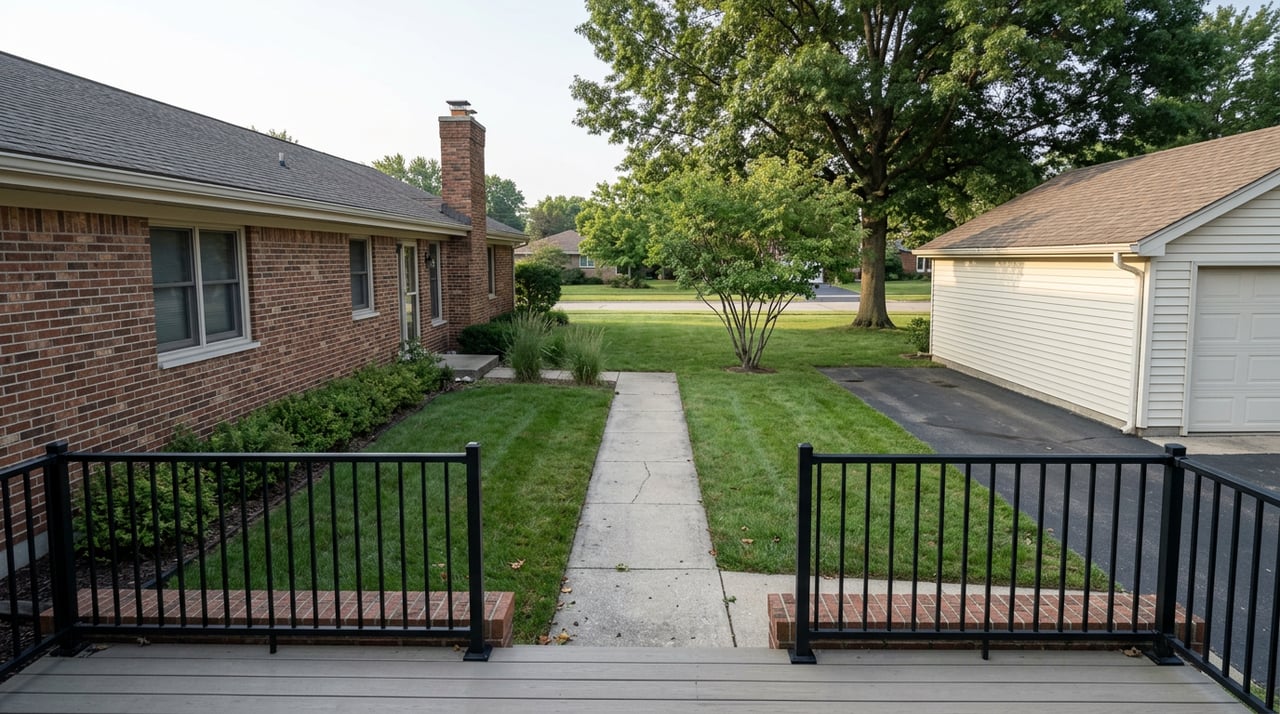
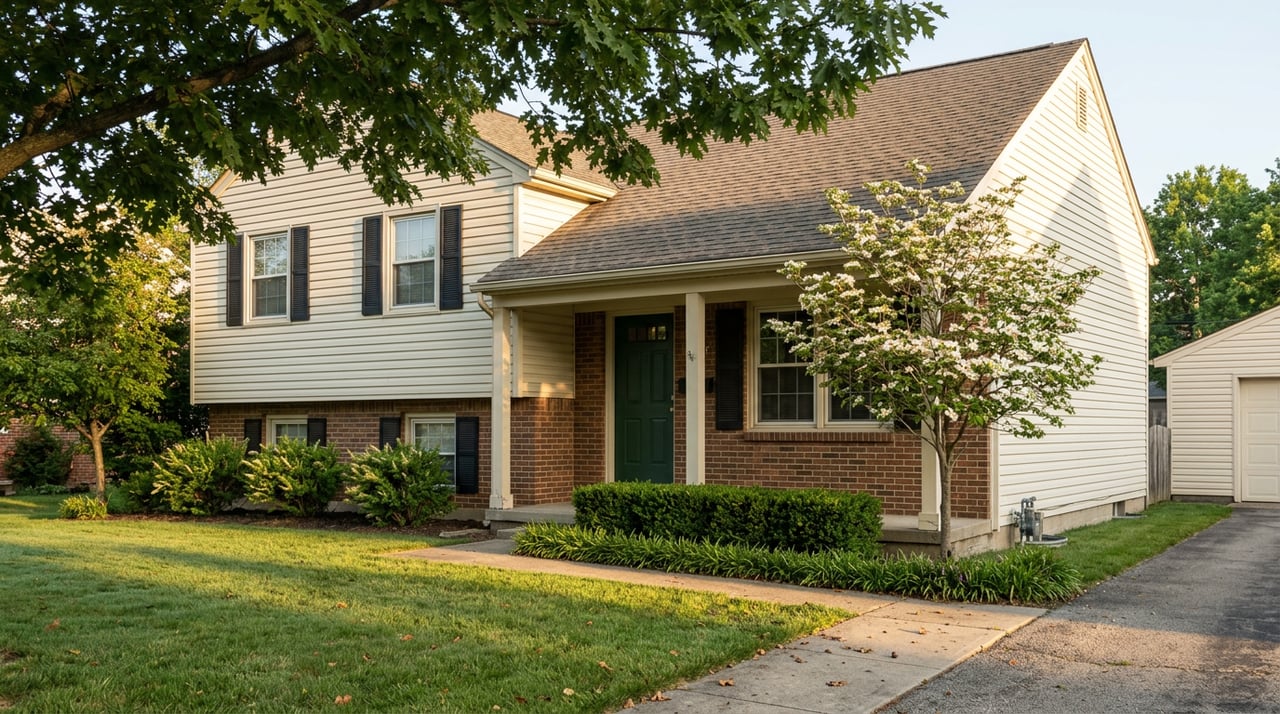
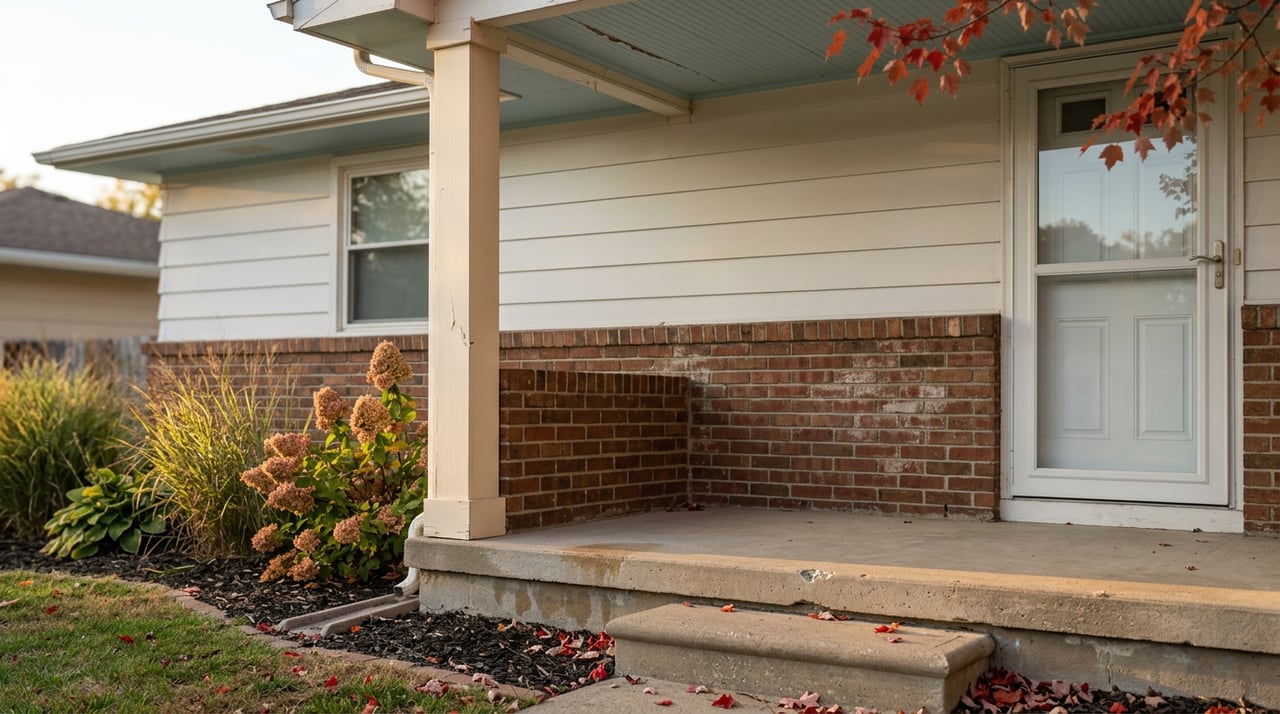
One of the biggest surprises for relocators is how varied Cleveland housing can be by neighborhood and suburb. Cleveland city planning notes that 49% of homes were built before 1940, so older housing stock is a major part of the market, especially in the city and inner-ring areas.
That can be a plus if you like established streetscapes, historic layouts, and homes with character. It also means you should look carefully at layout, condition, and maintenance history when comparing homes across different parts of the region.
General Price Bands to Expect
Based on the research report, Cleveland often breaks down into broad pricing patterns:
- Lower-cost and more affordable options: Cleveland overall, Cleveland Heights, University Heights
- Mid-range urban commuter options: Downtown Cleveland, University Circle, Ohio City, Tremont, Shaker Heights
- Higher-priced suburban options: Lakewood, Rocky River, Westlake, Beachwood
The broad pattern is straightforward. Inner-ring neighborhoods and the city typically offer older housing stock and lower entry prices, while suburban options such as Lakewood, Rocky River, Westlake, and Beachwood often cost more for a more suburban housing profile.
Match Housing Style to Your Commute
When you are relocating, it helps to think in terms of tradeoffs rather than perfect answers. A shorter commute may mean a condo downtown, a home near University Circle, or an older property in an inner-ring neighborhood. More house for the money may mean moving farther from the core and accepting a longer drive.
A simple way to frame your search is to decide which of these matters most:
- Shortest possible commute
- Walkability or transit access
- More living space
- More suburban setting
- Lower purchase price
Once you know your top two priorities, the search usually becomes much clearer.
Use a Smarter Relocation Process
Remote moves go more smoothly when you follow a clear sequence. The research report points to a practical process that helps buyers narrow choices faster and keep timelines realistic.
A Practical Cleveland Relocation Plan
- Identify your employer hub so you know which corridor matters most.
- Narrow to two or three commute-friendly areas instead of searching the whole region.
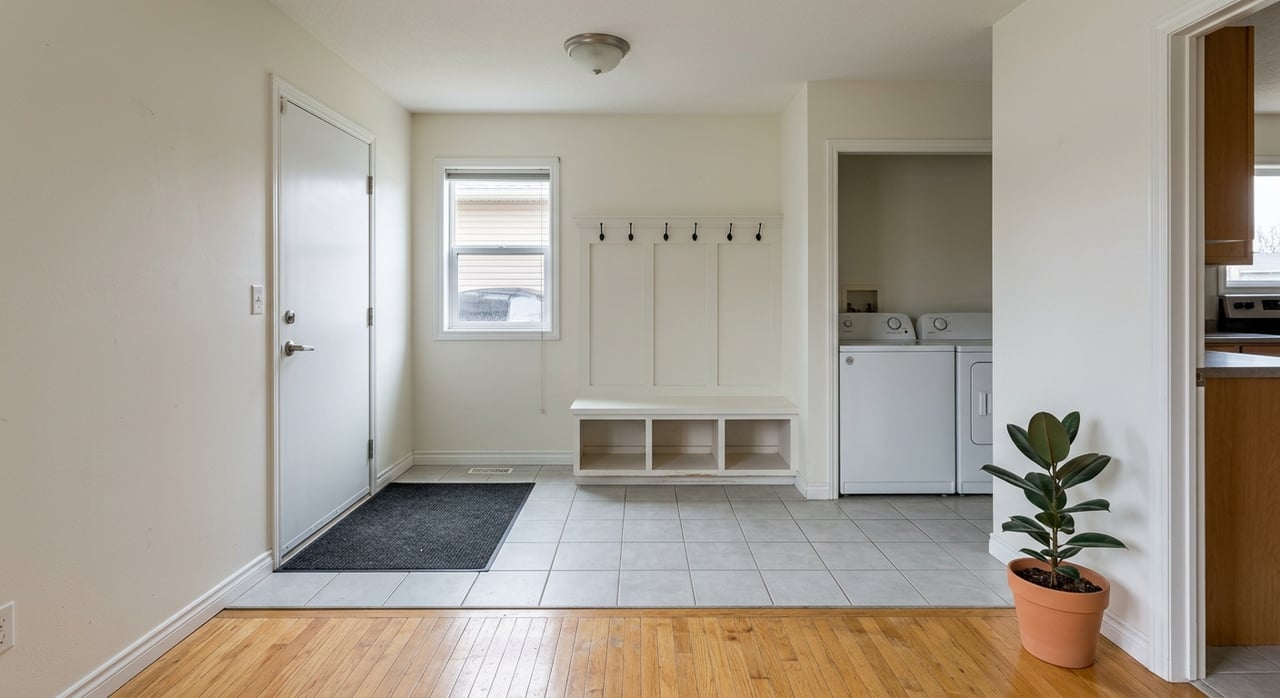
- Use virtual tours and floor plans first to eliminate homes that are obvious mismatches.
- Schedule one focused in-person trip for your top choices.
- Keep short-term housing as a backup if your move-out and move-in dates do not align.
This process is especially helpful if you are balancing a home sale in another city at the same time.
Virtual Tours Can Save Time
For out-of-area buyers, virtual tools are not just convenient. They are often the fastest way to cut through inventory. The National Association of Realtors consumer guidance notes that virtual tours, photos, floor plans, and interactive floor plans help buyers understand layout and can speed up the buying process.
Before you start touring, it is also smart to confirm the process. NAR’s consumer guide says buyers may need a written buyer agreement before touring homes with an agent, so that is something to clarify early.
Plan for Timing Gaps
One of the hardest parts of a corporate relocation is getting two transactions to line up. The research report notes that some Cleveland areas move much faster than others, which can create timing gaps if you are selling in one city and buying in another.
That is why temporary housing can be useful. Cleveland Clinic’s lodging information shows that the University Circle corridor has lodging options that can work well for a short stay while you finalize a purchase, and the report notes that University Circle and downtown can be practical staging areas during a transition.
If your timeline is tight, it helps to plan ahead for one of these options:
- A short-term furnished stay
- A closing-date buffer
- A rent-back, if your transaction allows it
Having a backup plan can take a lot of pressure off your move.
Focus on Fit, Not Just the Listing
A successful Cleveland relocation usually comes down to one simple idea: buy for your daily routine, not just the photos. A home may look perfect online, but if it does not support your commute, your schedule, or your transition timeline, it may not be the right fit.
When you start with the job hub, narrow by commute pattern, and use a disciplined touring process, you can make a much more confident decision. If you want a practical plan for your move, connect with Kyle Recker for a consultation and a straightforward next step.
FAQs
What areas are best for a Cleveland Clinic or University Hospitals commute?
- University Circle, MidTown, Little Italy, Shaker Square, and nearby east-side inner-ring areas are often the most practical places to start for a shorter commute to the medical corridor.
What neighborhoods work well for a downtown Cleveland job?
- Downtown Cleveland is a strong option for walkability and transit access, and nearby areas like Ohio City or Shaker Square may also fit depending on whether you want rail access, a shorter drive, or a different housing style.
What should corporate relocators know about Cleveland housing stock?
- Cleveland has a large share of older homes, with city planning noting that 49% of homes were built before 1940, so layout, condition, and maintenance history are important parts of your search.
What is the best way to house hunt in Cleveland from out of state?
- A practical approach is to identify your employer hub first, narrow to a few commute-friendly areas, use virtual tours to screen homes, and then make one focused in-person trip for final choices.
What can you do if your Cleveland move-in date does not match your sale timeline?
- Short-term housing, a closing buffer, or a rent-back strategy can help bridge the gap if your purchase and sale do not happen on the same schedule.