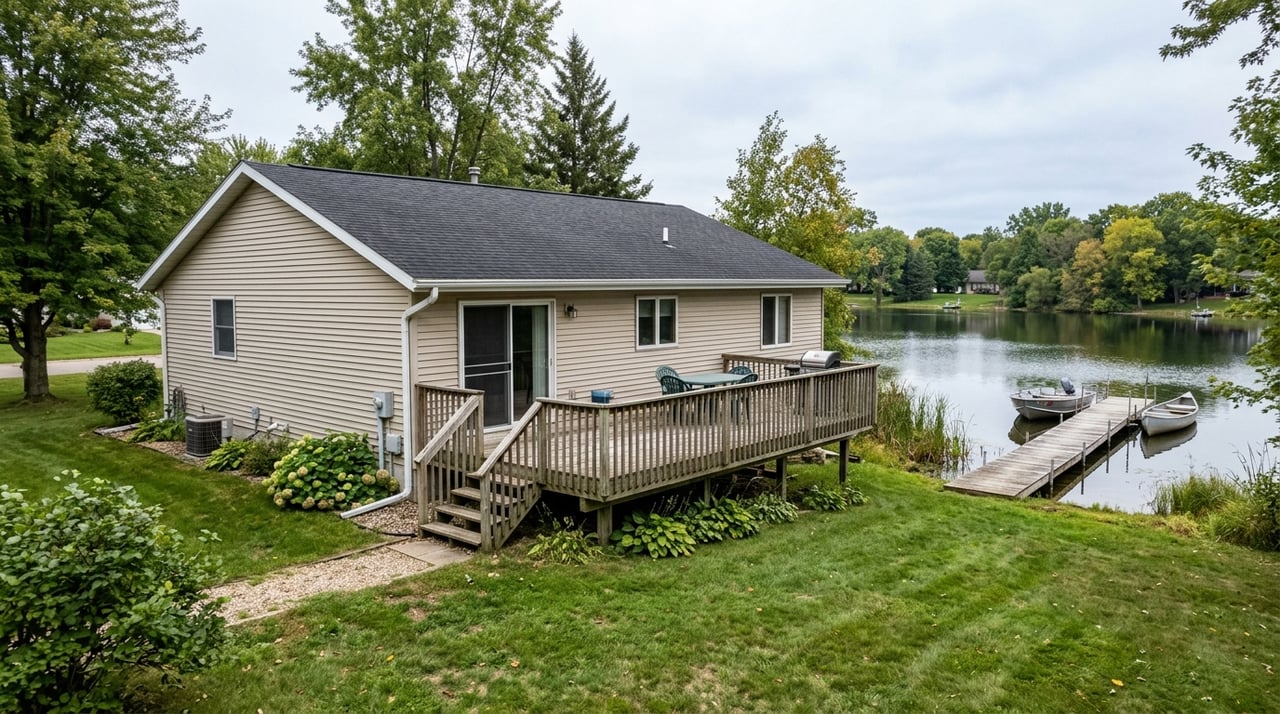
Are you picturing Sandusky Bay as a summer-only backdrop for boat traffic and weekend crowds? The reality is more layered than that. If you are thinking about living in Sandusky, buying near the water, or just trying to understand how the city feels day to day, it helps to know how housing, harbors, and public waterfront spaces fit into real life here. Let’s dive in.
Sandusky Bay Shapes Daily Life
Sandusky is not just near the water. It is built around it. According to the City of Sandusky’s 2023 annual report, the city sits on both Sandusky Bay and Lake Erie, with more than 22 miles of shoreline inside city limits.
That shoreline supports both recreation and everyday city life. The same report notes ferry service, marinas, a redesigned public pier, and a downtown that has been reshaped around the waterfront. In other words, the bay is not off to the side. It is part of how the city functions.
For you as a homebuyer or future resident, that matters. It means the water is not limited to a single resort zone. You will find public access, active marina areas, downtown spaces, and housing all woven together.
Waterfront Life Is Not One Note
One of the most useful things to understand about Sandusky is that the bayfront has range. Some parts feel more active and marina-centered, while others feel quieter and more connected to nature and public outdoor use.
Erie MetroParks notes that the east side of Sandusky Bay includes one of Ohio’s largest remaining naturally functioning freshwater coastal marshes. It is also part of the Lake Erie Birding Trail, with year-round birding and especially strong spring migration.
That creates a different kind of waterfront rhythm. You are not only looking at boat slips and summer traffic. You are also looking at kayak launches, birdwatching, walking areas, and a shoreline that stays relevant even outside peak boating months.
Housing Near Sandusky Bay
If you expect one dominant home type near the bay, Sandusky may surprise you. The local housing picture looks mixed, which often gives buyers and sellers more options.
Census QuickFacts puts Sandusky’s 2024 population estimate at 24,174. The same source shows an owner-occupied housing rate of 50.1%, a median owner-occupied home value of $113,100, a median gross rent of $905, and an average household size of 2.10.
Those numbers point to a market that is neither purely owner-occupied nor heavily defined by second homes alone. Instead, Sandusky appears to offer a blend of ownership and rental housing, which can affect neighborhood feel, pricing expectations, and the kinds of properties you may see come to market.
Older Neighborhoods and Established Streets
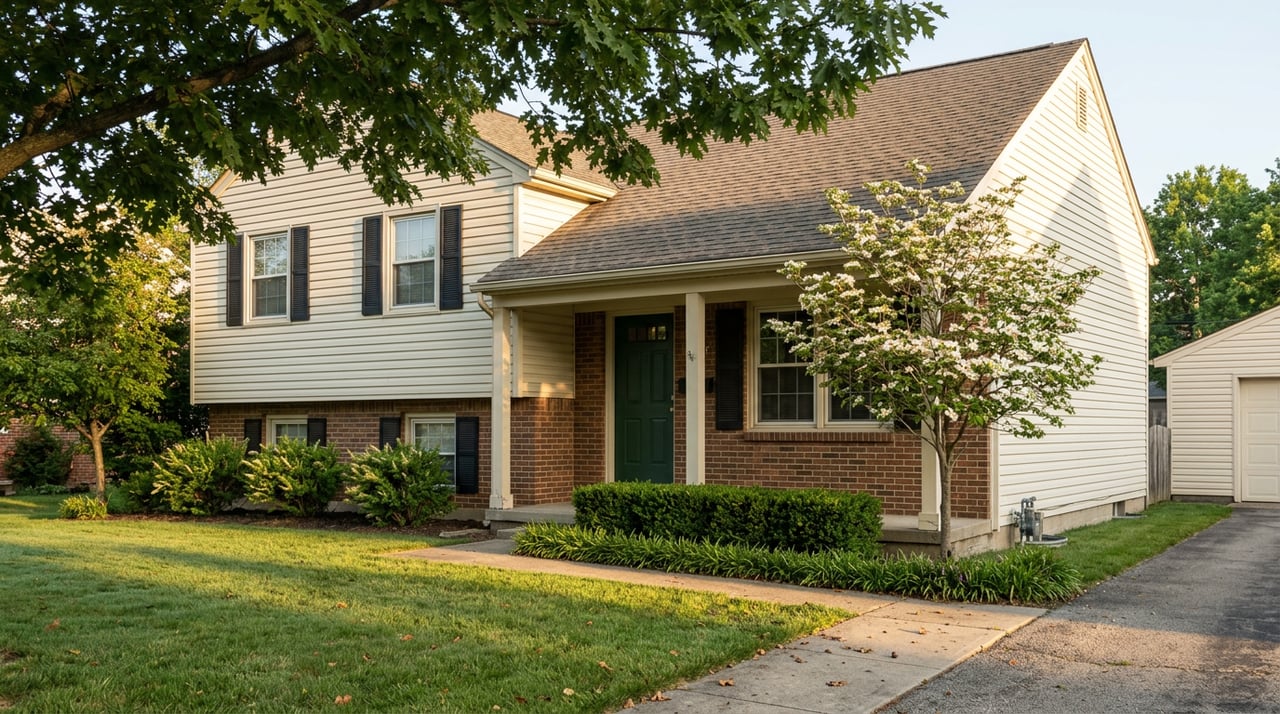
Part of Sandusky’s appeal is that it includes established residential areas close to the water and close to downtown activity. For buyers, that can mean more variety in lot size, home age, layout, and renovation level.
If you are comparing options, this kind of housing stock often gives you more than one path. You may find a home with original character, a property that has been updated over time, or a location that trades newer finishes for better proximity to the bay or downtown.
Downtown Conversions and Apartments
City reporting also shows how downtown housing has evolved. The 2023 annual report says former commercial buildings downtown now contain office space, retail, a market, and upscale apartments.
That matters if you want a more connected, lower-maintenance lifestyle. It suggests that living near the water in Sandusky does not always mean a detached home or a seasonal setup. In some parts of the city, it may mean apartment living in a mixed-use downtown environment with waterfront access nearby.
Newer Development Options
Sandusky is not only relying on older housing stock. The city’s 2023 annual report says newly built homes were welcomed downtown in 2022 and 2023.
The same report says the Cold Creek subdivision sold all available single-family lots and that the city is still marketing multifamily lots there. For buyers, that points to continued interest in newer housing options and a city that is still adding to its residential mix.
Harbors and Marinas Are Part of the Identity
If you spend time around Sandusky Bay, you will notice quickly that boating infrastructure is not a side feature. It is part of the city’s identity. The City of Sandusky reports that there are more than 8,000 slips available in the Sandusky Bay area.
That scale helps explain why the waterfront feels active and service-oriented. Marinas are not isolated amenities. They are part of the local economy, the city layout, and the way many people interact with the shoreline.
Battery Park Marina reports 575 slips on Sandusky Bay. Sandusky Yacht Club reports more than 180 docks with water, electricity, Wi-Fi, and 24-hour staff. Venetian Marina says it operates year-round and offers dock and rack storage, fuel pier service, pump-outs, and heated indoor storage.
For buyers interested in marina-adjacent property or a boating-oriented lifestyle, those details help frame what the area supports. For everyone else, they still matter because they influence traffic patterns, seasonal energy, and the bayfront’s overall character.
Public Access Matters Too
You do not need to own a boat to enjoy living near Sandusky Bay. Public-facing waterfront access is one of the practical reasons the area appeals to a broader range of residents.
The city says the redesigned Jackson Street Pier was built as a public viewing space for Lake Erie, Cedar Point, and the shoreline, and that it hosts events and festivities there. That gives residents and visitors a place to experience the water without needing private access.
There are also more active outdoor options. Shores & Islands Ohio describes the East Sandusky Bay Water Trail as a 15-mile route with scenic views, wildlife, and cultural history. Erie MetroParks says Eagle Point includes a canoe and kayak launch along with access for hiking, birdwatching, canoeing, and kayaking.
That is important for your home search because lifestyle is not just about the house itself. In Sandusky, public access points can shape how often you use the waterfront and how connected you feel to it, even if you are not living directly on the bay.
The Seasonal Rhythm of Living Here
Every waterfront market has a calendar, and Sandusky is no exception. NOAA climate normals for Sandusky show an annual mean temperature of 52.0°F, with January averaging 28.1°F and July averaging 74.7°F. Annual precipitation averages 34.03 inches.
The simple takeaway is that Sandusky has a clearly seasonal waterfront climate. Summers are warm and active. Winters are colder and quieter. Spring and fall often bring a slower pace that many residents may find easier to enjoy.
The city’s annual report supports that pattern from an activity standpoint too. It says Cedar Point operates from early May through October and attracts more than 3 million visitors each season, while indoor waterparks and the Cedar Point Sports Center help keep the area active year-round.
For everyday living, this means you should think beyond the peak summer image. Winter may still include pier walks, birding, and marina storage activity. Spring and fall may offer some of the most balanced waterfront time of the year, with public access still available and less seasonal intensity.
What This Means for Buyers
If you are considering a move to Sandusky, it helps to think in layers. Start with the kind of daily life you want, then match that to the part of the city and the housing type that best supports it.
You might want:
- An established home in a lived-in neighborhood
- A downtown apartment with nearby waterfront access
- A newer construction option where available
- A marina-oriented location tied closely to boating activity
Each of those paths can create a different version of life near Sandusky Bay. The right fit depends on how you plan to use the waterfront, how much seasonal activity you enjoy, and whether you want walkable access, housing flexibility, or proximity to marina services.
What This Means for Sellers
If you own property in Sandusky, your location story matters. Buyers are not only evaluating square footage and finishes. They are also weighing how your property connects to the bay, downtown, public access, and year-round routines.
That means strong marketing should do more than mention “near the water.” It should explain the lifestyle context in a clear, factual way. A home near public waterfront spaces, downtown redevelopment, or marina activity may appeal for different reasons, and that positioning can shape buyer interest.
In a market with both owner-occupied and rental housing, plus older homes and newer development, pricing and presentation need to reflect what buyers are actually comparing. That is where local context becomes especially valuable.
If you want practical guidance on buying or selling near Sandusky Bay, Kyle Recker can help you make sense of the housing options, the waterfront lifestyle, and the local market with clear, results-focused advice.
FAQs
Is Sandusky Bay only a summer place for residents?
- No. The city has year-round public access points, marina activity beyond peak boating season, birding areas, and indoor attractions that support activity outside summer.
What kinds of homes can you find near Sandusky Bay in Sandusky?
- City and Census data point to a mix that includes older residential areas, downtown apartments and mixed-use conversions, newer homes, and marina- or waterfront-adjacent properties.
Can you enjoy the Sandusky waterfront if you do not own a boat?
- Yes. Public spaces like Jackson Street Pier, Eagle Point, and the East Sandusky Bay Water Trail offer ways to enjoy the shoreline without boating.
Does Sandusky have a mixed housing market or mostly one type of housing?
- Sandusky appears to have a mixed market, with a 50.1% owner-occupied housing rate, rental housing, and a range of property types tied to both established neighborhoods and redevelopment.
How does the weather affect daily life near Sandusky Bay?
- The area has a clear seasonal pattern, with colder winters, warm summers, and spring and fall offering a quieter waterfront experience that still supports outdoor use.