Trying to choose between city energy and suburban space in Cleveland? You are not alone. For many buyers, the decision is less about picking a side and more about figuring out which daily tradeoffs fit your budget, routine, and home goals. This guide breaks down how urban and suburban living really compare across Cleveland and nearby communities, so you can make a more confident move. Let’s dive in.
Cleveland Real Estate Is a Spectrum
If you picture Cleveland as one dense city surrounded by traditional suburbs, the reality is more layered than that. Cleveland proper includes many compact, mixed-use neighborhoods, but some nearby communities also offer a similar feel with their own housing styles and pricing.
Cleveland City Planning describes areas such as Ohio City as walkable, mixed-use neighborhoods. The city’s zoning also allows a wide range of residential types, including one-family homes, two-family homes, rowhouses, multi-family buildings, and mixed-use districts. That variety helps explain why many city neighborhoods feel tighter, older, and more connected than a typical suburban subdivision.
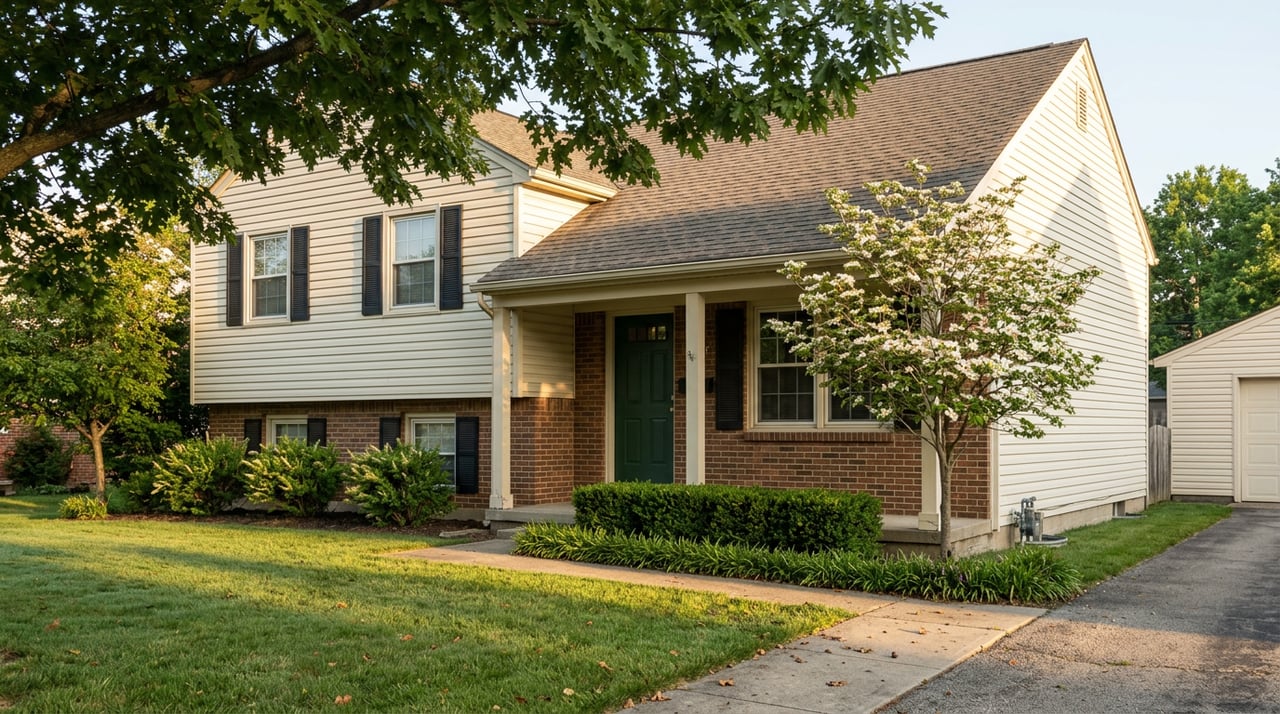
At the same time, not every suburb feels the same. Communities like Lakewood, Shaker Heights, and Rocky River often offer a middle ground with denser streets and older homes, while places like Strongsville, Westlake, and Beachwood tend to lean more toward detached homes, larger lots, and a more car-based routine.
Housing Types and Lot Sizes
One of the biggest differences between urban and suburban living in Cleveland real estate is the type of home you are likely to find. In the city, the housing mix is broad. You may see older single-family homes, duplexes, rowhouses, apartments, and mixed-use buildings all within the same general area.
That housing variety is supported by Cleveland’s zoning code. Depending on the district, minimum lot areas can range from 7,200 square feet in AA districts down to 4,800 square feet in B and C districts, with lot widths as narrow as 40 feet in some areas. In higher-density categories, the city allows even smaller lot patterns, which supports a more compact layout.
Suburban communities often require more land per home. In Lakewood, single-family districts include minimum lot sizes of 14,000, 9,000, and 5,000 square feet depending on the district. In Strongsville, common one-family districts require 12,750 to 25,000 square feet, and Westlake defines estate lots as 2 acres or more with a 150-foot minimum width.
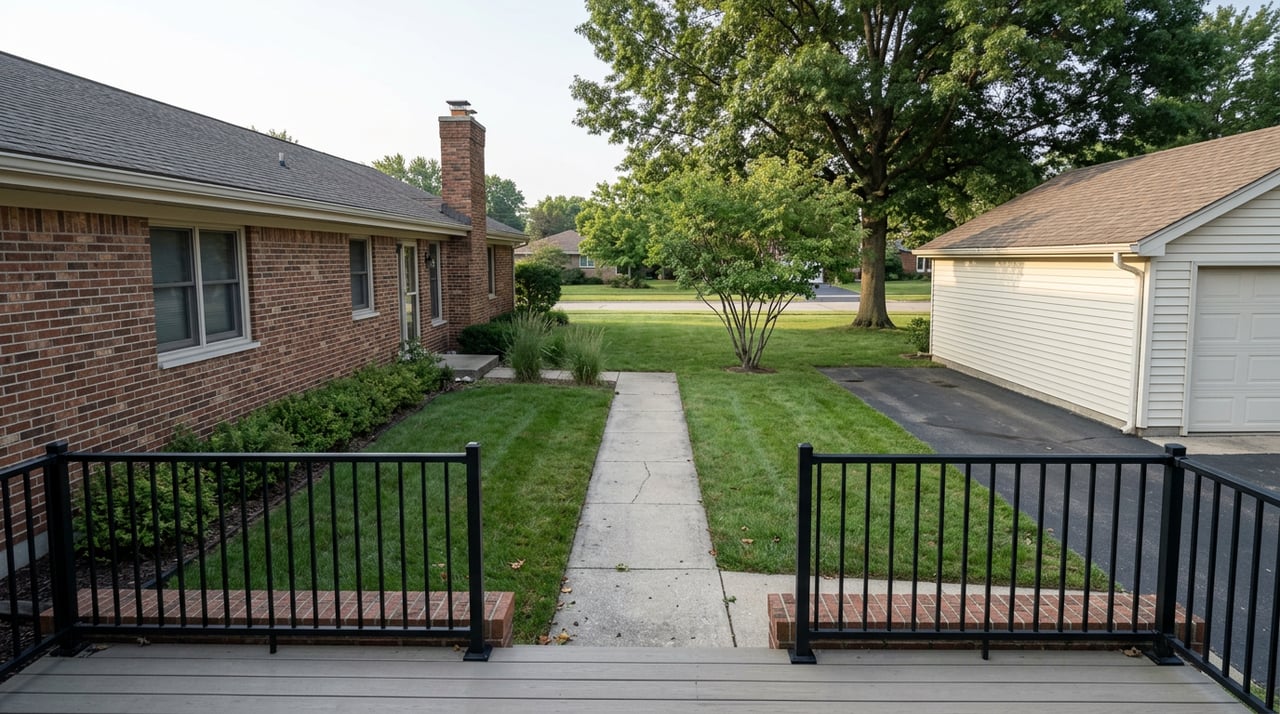
In practical terms, that usually means suburban properties have more yard space, more separation between homes, and more room for driveways or attached garages. It does not apply to every single property, but it is a useful way to understand the overall pattern.
Home Prices Across Cleveland-Area Markets
Budget often drives the decision as much as lifestyle. Cleveland city remains one of the lower-priced entry points in the broader market, while many nearby suburbs come in at much higher values.
Recent Census data shows Cleveland with a median owner-occupied home value of $102,000. Compare that with Lakewood at $262,200, Shaker Heights at $303,200, Rocky River at $349,300, Strongsville at $298,300, Westlake at $368,200, and Beachwood at $410,300.
That spread matters because it changes what your money can buy. In Cleveland proper, a lower price point may open the door to homeownership sooner or allow you to consider different property types. In many suburbs, the higher price may buy more land, a detached layout, or a different day-to-day feel, but it usually comes with a bigger financial commitment.
Rent Costs Show the Same Pattern
If you are comparing renting before buying, or using rent as a budget benchmark, the same trend appears. Cleveland’s median gross rent is $945, which is lower than many nearby communities.
Lakewood comes in at $1,070, Parma at $1,087, Strongsville at $1,302, Westlake at $1,570, and Beachwood at $2,047. Those numbers do not tell the whole story of each market, but they do show how quickly monthly housing costs can shift once you move farther from Cleveland proper.
For buyers, this can be a useful reality check. If you are relocating or setting a first budget, looking at both home values and rents can help you decide whether you want to prioritize lower upfront cost, more square footage, or a specific location pattern.
Commute Times Are Closer Than Many Expect
A lot of buyers assume suburban living automatically means a much longer commute. In the Cleveland area, the numbers are more nuanced.
Recent ACS data shows Cleveland with a mean travel time to work of 22.5 minutes. Lakewood is 22.8 minutes, Shaker Heights is 22.2, Rocky River is 21.8, Parma is 24.2, Strongsville is 25.5, North Olmsted is 23.9, and Beachwood is 18.0.
The takeaway is simple: your job location may matter just as much as whether you choose city or suburb. Some suburbs are not dramatically farther in commute time, but as you move away from the core, daily life often becomes more car-dependent.
Parking and Transportation Feel Different
Even when commute times look similar on paper, transportation can feel very different depending on where you live. Cleveland has a more urban transportation setup, with rail, bus, bus rapid transit, trolley, and downtown connections through the Greater Cleveland Regional Transit Authority.
Cleveland City Planning also notes that its Urban Overlay is designed to support walkable neighborhoods with the right amount of parking in the right place. Downtown parking has been modernized with digital payment, replacing about 2,500 coin meters, and some neighborhoods use residential permit parking zones.
For you as a buyer, that often means urban living may involve more on-street parking, smaller driveways, or permit rules. In suburban areas, larger lot standards and deeper setbacks generally make on-site parking easier to fit into the property layout.
Walkability Versus Space
For many people, this is the real choice. Urban Cleveland often works best if you want to be closer to restaurants, cultural districts, transit, and parks, with more of your daily routine happening on foot or within a compact area.
Cleveland City Planning highlights places such as Little Italy, Playhouse Square, Gordon Square, the Flats, Tremont, and the lakefront as specialized retail and culture districts. Cleveland Metroparks adds another major lifestyle layer, with Edgewater Park offering 147 acres and 9,000 feet of shoreline. Across the region, the Metroparks system spans 18 reservations and more than 25,000 acres.
Suburban living usually shifts the value equation. Instead of prioritizing a compact street grid, many suburbs offer more detached housing, larger yards, and a routine built more around driving. Amenities may be grouped into major shopping, dining, medical, and office corridors rather than spread through a walkable neighborhood pattern.
Beachwood is a strong example of that suburban model. The city describes itself as a suburban setting with a commercial core, major shopping and dining, healthcare access, and about 100,000 daily visitors. It is also about 11 miles east of downtown Cleveland with access to three interstate highways.
Hybrid Communities Offer a Middle Ground
If you do not want the tightest urban setting or the most spread-out suburban one, Cleveland has several in-between options. This is where many buyers find the best fit.
Lakewood, Shaker Heights, and Rocky River often appeal to people who want denser streets, older housing stock, and more established neighborhood patterns, but still want a suburban municipality. These communities can feel more connected than farther-out suburbs, while still offering ownership patterns and housing expectations that differ from Cleveland proper.
The tradeoff is often price. Those hybrid communities may offer a balanced lifestyle, but they frequently come with higher median home values than Cleveland city itself.
How to Choose the Right Fit
The best choice usually comes down to what you want your daily life to look like. Instead of asking whether urban or suburban is better, it helps to ask which tradeoffs matter most to you.
Here are a few practical questions to guide your decision:
- Do you want a lower entry price, or are you comfortable paying more for a larger lot?
- How important is walkability in your weekly routine?
- Do you want easier parking and more private outdoor space?
- Is your job location better served by city access or a specific suburb?
- Are you open to a hybrid community that offers a mix of both lifestyles?
If you are buying in the Cleveland area, a focused search can save time and reduce guesswork. Looking at lot size, property type, commute pattern, and price together usually gives you a clearer answer than labels like urban or suburban alone.
Cleveland real estate is not a one-size-fits-all market. It offers compact city neighborhoods, hybrid close-in suburbs, and more spread-out suburban communities, each with different strengths. When you match those differences to your budget and lifestyle, the right choice becomes much easier to see.
If you want help narrowing down the best Cleveland-area fit for your goals, connect with Kyle Recker for a clear, practical conversation about your next move.
FAQs
What is the main difference between urban and suburban living in Cleveland real estate?
- The biggest differences usually come down to housing type, lot size, price, parking, and how walkable your daily routine feels.
Are Cleveland suburbs always more expensive than Cleveland city?
- Many nearby suburbs have higher median owner-occupied home values than Cleveland city, though the exact price depends on the community and property type.
Do Cleveland suburbs always have longer commutes?
- No. Recent commute data shows many Cleveland-area suburbs have travel times that are fairly close to Cleveland itself.
What kinds of homes are common in urban Cleveland neighborhoods?
- Urban Cleveland includes a mix of single-family homes, two-family homes, rowhouses, multi-family buildings, and mixed-use properties.
Which Cleveland-area communities offer a middle ground between urban and suburban living?
- Lakewood, Shaker Heights, and Rocky River are often viewed as hybrid options that blend denser streets and older housing with suburban municipal settings.