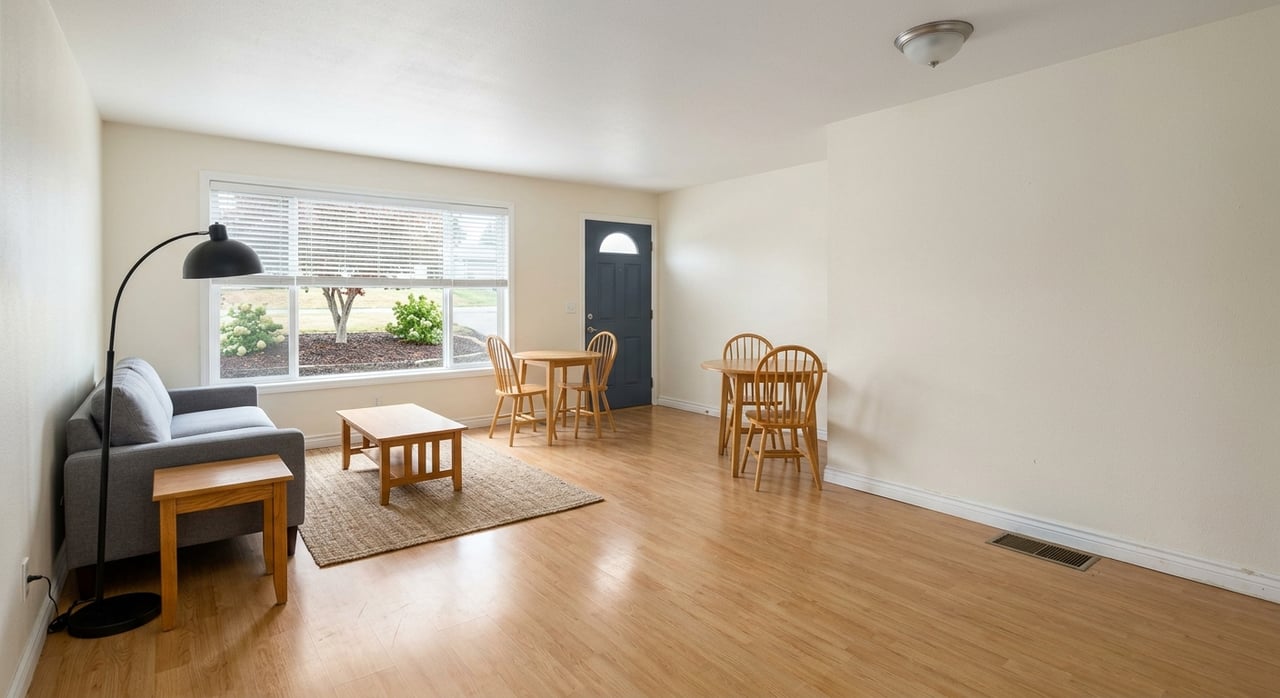
Thinking about buying a home in Port Clinton without being here in person? You are not alone, and in a market shaped by Lake Erie, waterfront properties, and relocation moves, remote buying can be a smart and practical option. The key is having a clear process that helps you verify the right details before you commit. Here is a step-by-step guide to help you buy remotely with more confidence in Port Clinton. Let’s dive in.
Start With a Local Buying Plan
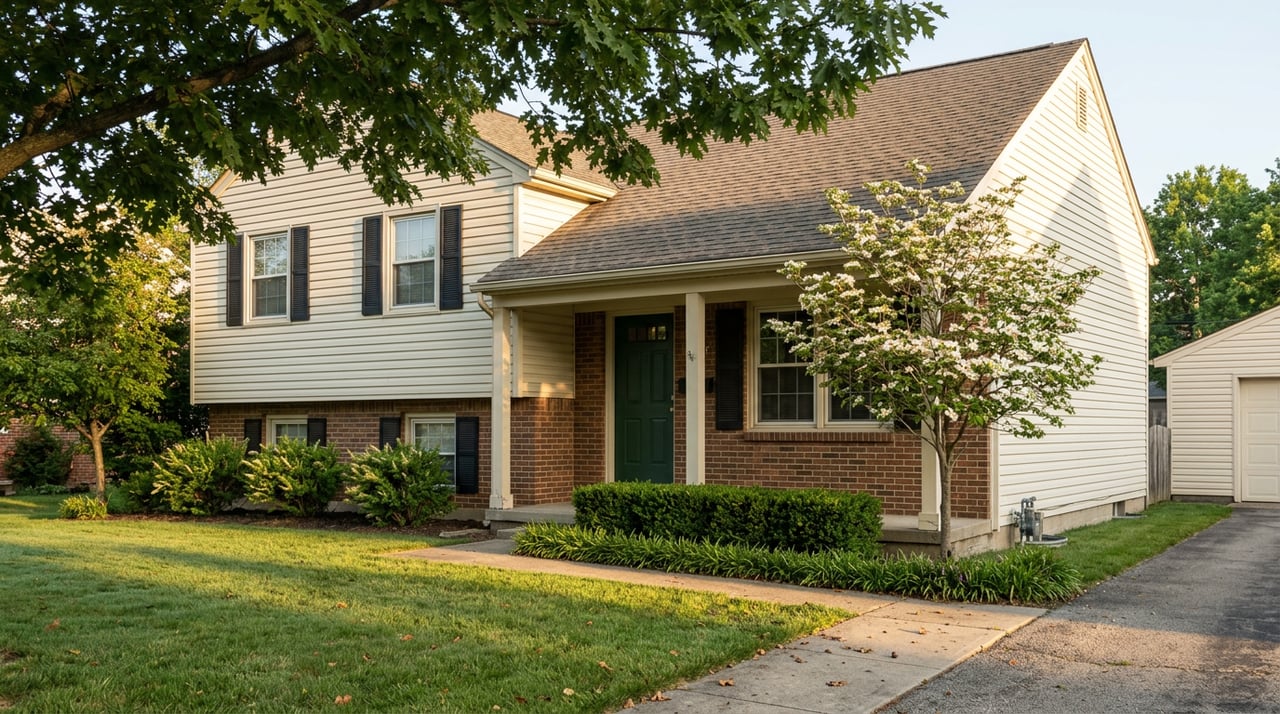
Remote home buying works best when you treat it like a project, not a guessing game. Before you start touring homes, get clear on your goals, budget, timing, and whether you are looking for a primary home, second home, or investment property.
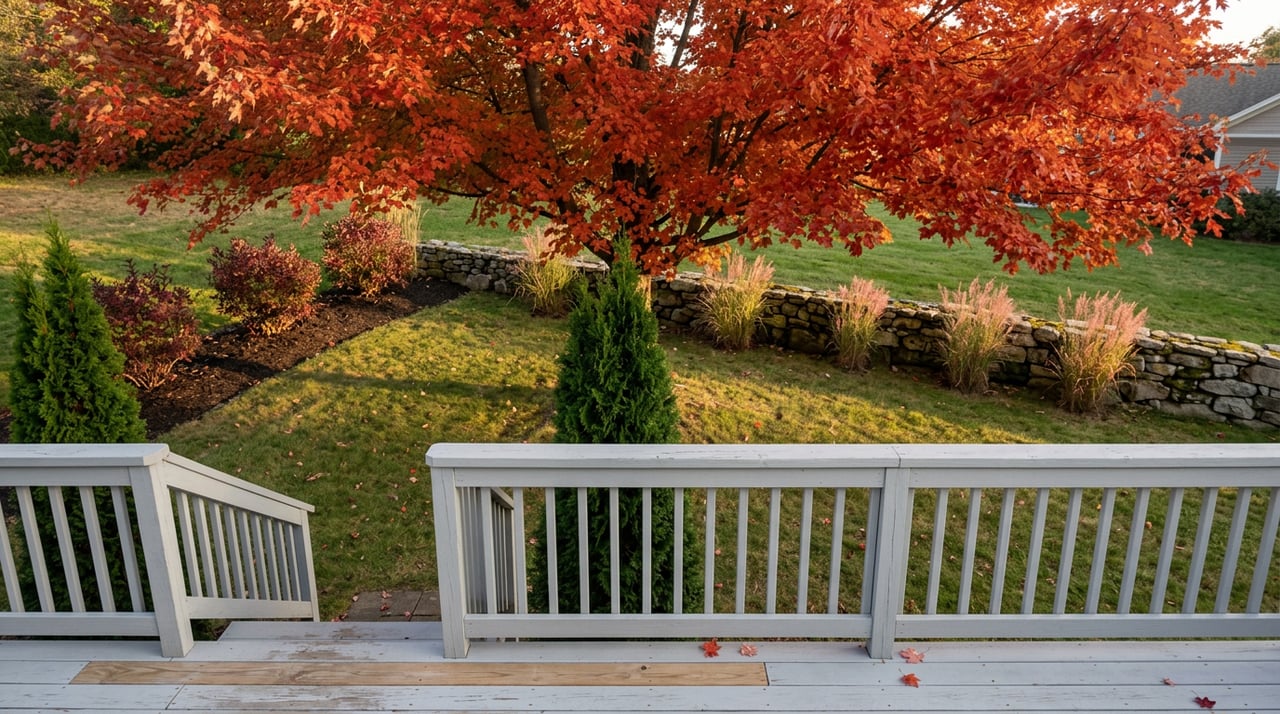
In Port Clinton, your home search may include traditional residential properties, seasonal homes, or waterfront options near Lake Erie, the Portage River, or Sandusky Bay. That local setting matters because floodplain status, shoreline features, drainage, and utility details can affect both your decision and your due diligence.
A local team can help you narrow the search fast and focus on homes that match how you plan to use the property. That is especially helpful if you are relocating or buying from out of town and need efficient showings and quick follow-up.
Build Your Remote Research Checklist
Before you write an offer, gather as much public information as you can. Ottawa County makes that easier with online tools through the county auditor, including property search, Parcel Viewer, neighborhood reports, GIS data, and public parcel information.
These tools can help you confirm basic facts such as parcel details, tax information, and property location. If you are comparing several homes remotely, this step can help you spot issues early and avoid relying only on listing photos or marketing remarks.
You should also keep in mind that much of Ottawa County’s real estate administration is centered around courthouse-area offices on Madison Street. That setup supports online research, but it also means your transaction still moves through a local path for title work, transfer, recording, and utility coordination.
Make Virtual Tours More Useful
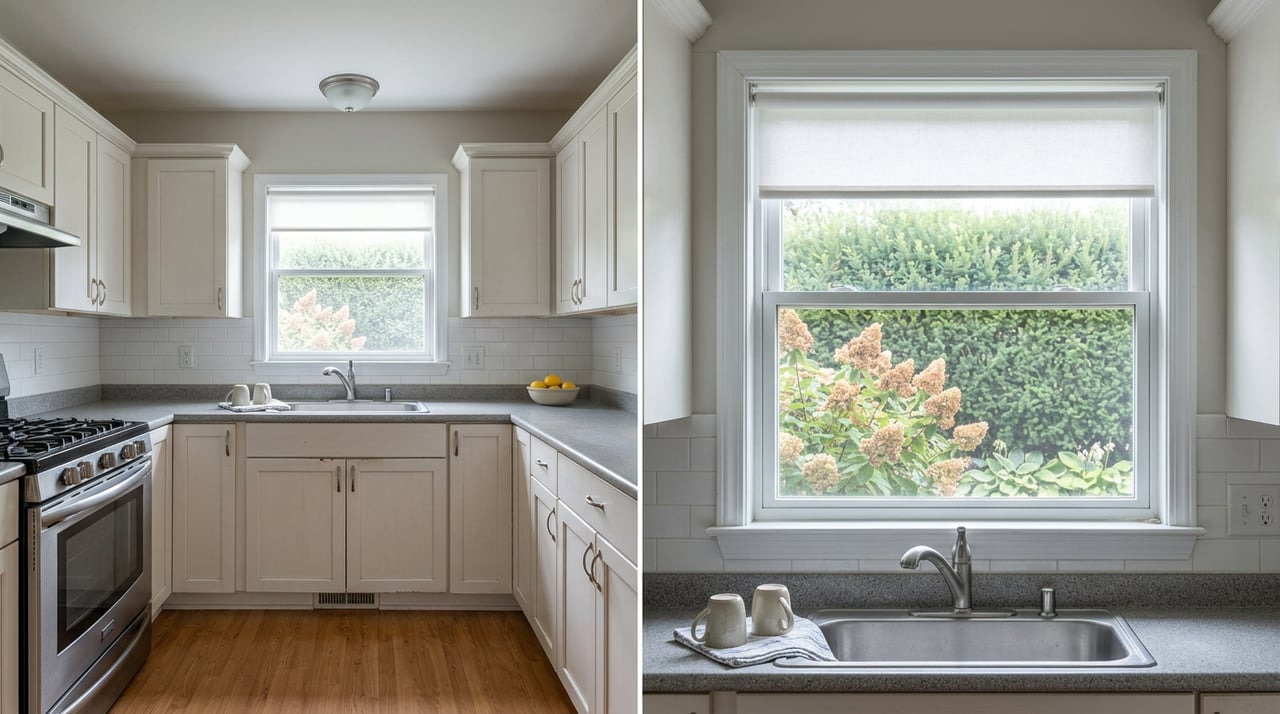
A remote tour should do more than show you the kitchen and living room. In Ohio, the Residential Property Disclosure Form covers items like water supply, sewer system, roof, foundation, walls, floors, hazardous materials, radon, and other known defects. The form is important, but it is not a warranty and it is not a substitute for inspections.
That means your live video tour should focus on the parts of the house that matter most. Ask to see:
- The basement or crawlspace
- The attic
- Roof lines from the ground
- Furnace, water heater, and other mechanicals
- Exterior grading and drainage
- Foundation walls and floors
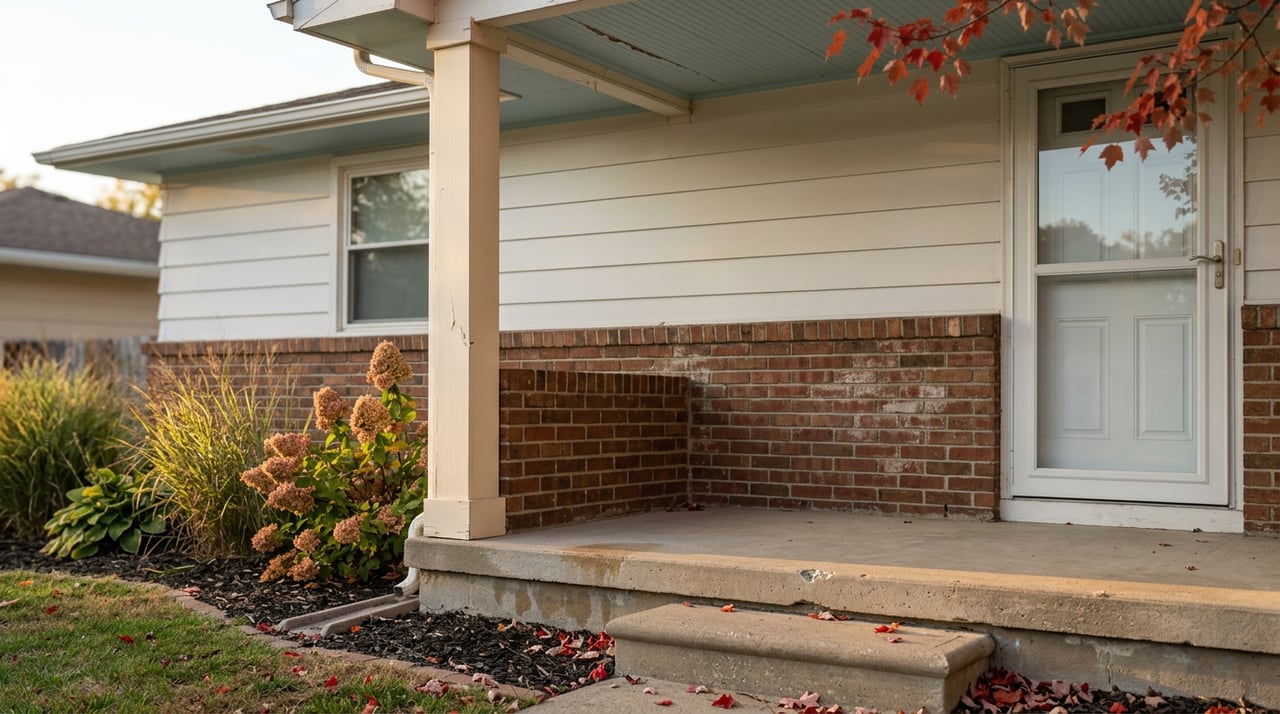
- Driveway and exterior surfaces
- Docks, seawalls, or shoreline features if applicable
In Port Clinton, this is especially important for homes near the lake or other water. Flood-related conditions are not a niche concern here. They are part of normal due diligence.
Review the Seller Disclosure Early
When you are buying remotely, fewer surprises means a better process. Ohio law allows the seller disclosure form to be delivered by personal delivery, ordinary mail, certified mail, or fax, which supports a remote transaction flow.
The practical takeaway is simple: review the disclosure form as early as possible and use it to guide your next questions. If the form mentions past water intrusion, foundation concerns, private utilities, or repairs, those topics should move to the top of your inspection and negotiation list.
Because the disclosure is not a replacement for inspections, you should avoid treating it as final proof of condition. Instead, use it as a roadmap for what needs closer review before you remove contingencies.
Check Water, Sewer, and Septic Details
Utility details matter in every home purchase, but they are even more important when you are not local. If a property uses a private water system or private sewage system, Ottawa County’s Health Department has programs tied to water supply and sewage disposal, including private water system inspections, water analysis, and septic replacement or repair oversight.
That means you should confirm early whether the home is on public utilities or private systems. If it is private, build extra time into your due diligence so you can understand the condition, maintenance needs, and any inspection requirements.
For homes on public service, Ottawa County says water and sewer transfer questions should go through Utility Billing at 419-734-6728 or by email. The county also notes that water and sewer charges should be prorated at closing, new owners are responsible after the closing date, and delinquent certified charges can remain collectible through taxes.
Verify Floodplain and Waterfront Issues
In Port Clinton, floodplain review should be part of your standard checklist. If a property is in a Special Flood Hazard Area, the city’s flood damage protection process requires a development permit for certain work.
Even if you are not planning immediate renovations, floodplain status can still affect how you evaluate the property. Ask questions about past flooding, drainage patterns, shoreline protection, and any structures near the water such as docks or seawalls.
This is one of the biggest reasons a local market guide matters. A waterfront or near-water home may look great online, but the right due diligence helps you understand the property beyond the view.
Strengthen the Offer With Clear Contingencies
A strong remote offer is not just about price. It should also reduce uncertainty and give you a clear path to verify condition, title, and property details.
In practice, that often means pairing your offer with a clear inspection window and making sure the seller disclosure has been reviewed before you remove contingencies. This structure helps you move forward with more confidence, especially if you cannot visit the home in person before writing the offer.
You should also think through your timeline carefully. Because remote buyers may need extra coordination for inspections, document review, and signing, a realistic closing schedule can make your offer smoother for everyone involved.
Order Title and Legal Review Early
Title work is one area where remote buyers should not wait. Ottawa County’s Recorder says lien research should be done in the Recorder’s Office or by a professional title examiner, not by phone alone.
This matters because title issues can slow down a closing if they show up late. Starting early gives you more time to address questions around liens, ownership history, and document consistency.
Ottawa County also recommends submitting legal descriptions at least 7 working days before closing, with up to 3 additional days if parcel number or address verification is needed. The county further notes that the legal description on the transfer instrument should match the prior deed or a new survey.
For remote buyers, that is a strong reason to stay ahead of deadlines. If a legal description needs review late in the process, your closing date can get tighter than expected.
Compare Closing Services and Fees
Closing costs can vary, so it is worth reviewing them closely. Buyers can shop for title services, and the Consumer Financial Protection Bureau notes that title services are often the largest closing-service cost category.
The same guidance also notes that owner’s title insurance is optional for buyers and can help protect your investment. In plain terms, do not assume you have to accept the first provider suggested to you. Compare title and settlement quotes so you understand your options.
You should also plan for local recording and transfer costs. In Ottawa County, the Recorder’s Office charges $39 for the first two pages and $8 for each additional page. The office accepts cash or check only, does not accept credit cards, and says one check cannot cover both auditor and recorder fees.
On the transfer side, Ottawa County says real estate transfer documents must go to the county auditor before recording. Buyers generally need either a DTE 100 or DTE 100EX at transfer, and the county lists a conveyance fee of $4 per $1,000 conveyed, with a $4 minimum on taxable transfers under $1,000, plus a $0.50 per lot or parcel transfer fee.
Prepare for Remote Signing
Ohio allows remote online notarization when the notary is authorized by the Secretary of State and physically located in Ohio. The signer can be outside the state, and the electronically notarized document is treated as an original.
Ohio also requires live audio-video communication, identity verification, and an electronic journal for these notarizations. For you, that means remote closing may be possible even if you never travel to Ohio during the transaction.
It is still smart to confirm the signing plan early with your lender, title company, and closing team. When everyone agrees on the process ahead of time, you reduce the chance of last-minute delays.
Review Closing Documents Ahead of Time
If you are financing the purchase, the Consumer Financial Protection Bureau says you should receive your Closing Disclosure at least three business days before closing. That window gives you time to review the numbers and ask questions before you sign.
For remote buyers, this step is even more important. You want enough time to compare the final figures, check for fee changes, and confirm that your cash-to-close and loan terms match your expectations.
Do not wait until closing day to read the documents for the first time. A careful review in advance can help you catch issues while there is still time to fix them.
Plan the Final Handoff
Once the closing is complete, there are still a few practical details to wrap up. Utility transfer, key delivery, access instructions, and any property-specific items such as dock access or seasonal systems should be clarified before move-in.
For county water and sewer accounts, Ottawa County Utility Billing is the local contact point for transfer questions. For broader public water and wastewater infrastructure questions, the county sanitary engineer is the local authority.
This final step is where remote buyers benefit most from a team-based process. When showing, contract, closing, and move-in coordination all stay organized, the experience feels much more manageable from a distance.
Buying a home remotely in Port Clinton is absolutely doable when the process is clear and the details are handled early. From virtual tours and disclosures to floodplain review, title work, remote signing, and utility transfer, each step helps reduce risk and keep your transaction moving. If you want a local team that understands Port Clinton, Lake Erie properties, and out-of-area buyer needs, connect with Kyle Recker to get started.
FAQs
How does remote home buying work in Port Clinton?
- Remote home buying in Port Clinton usually involves virtual tours, online document review, inspections, title work, and often remote signing, while local county offices still handle transfer and recording steps.
What should you look for during a virtual home tour in Port Clinton?
- During a virtual tour in Port Clinton, you should focus on the basement or crawlspace, attic, roof lines, mechanical systems, drainage, foundation areas, and any waterfront features such as docks or seawalls.
Why is floodplain review important when buying a home in Port Clinton?
- Floodplain review matters in Port Clinton because homes near Lake Erie, Sandusky Bay, or the Portage River may be affected by Special Flood Hazard Area rules and related permitting requirements.
Can you close on a Port Clinton home without coming to Ohio?
- Yes, Ohio allows remote online notarization when the notary is authorized and physically located in Ohio, and the signer may be outside the state.
What county records should remote buyers check before making an offer in Port Clinton?
- Remote buyers in Port Clinton should review Ottawa County property records such as parcel details, tax information, and mapping data through the county auditor’s search tools.
What utility details should remote buyers confirm before closing in Port Clinton?
- Before closing in Port Clinton, remote buyers should confirm whether the property uses public or private water and sewer service, how charges will be prorated, and how account transfer will be handled after closing.