Thinking about a move to Ohio’s Lake Erie coast? If you want small‑city convenience with easy access to marinas, ferries, and year‑round recreation, Port Clinton belongs on your short list. Relocation comes with big decisions, and it helps to have clear facts about housing, weather, commutes, schools, and closing steps. This guide gives you a practical, local view so you can plan with confidence. Let’s dive in.
Why Port Clinton works
Port Clinton sits on the Lake Erie shoreline in Ottawa County, part of the region often marketed as the Shores & Islands area. The City of Port Clinton counted 6,025 residents in the 2020 Census, which gives you a small‑city feel with seasonal energy from visitors and boaters. You will see summer demand peaks for services, showings, and short‑term rentals as the area leans into tourism and boating. Regional organizations highlight this mix of lakeside living and recreation within the Shores & Islands community.
For quick stats on the city’s size and demographics, review the U.S. Census Port Clinton QuickFacts.
Weather on the lake
Lake Erie shapes the climate. Summers are cooler than inland Ohio, and winters bring cold, snow, and occasional lake‑effect bands. If you are moving from southern Ohio or the Midwest interior, plan for real winter driving and snow removal. Nearby Sandusky provides a reliable climate proxy, with monthly averages you can explore on WeatherSpark’s Sandusky page.
Housing at a glance
As of December 2025, Redfin’s city page reports a Port Clinton median sale price around $275,000. Other portals that track values show city‑level figures in the mid‑$200,000s. Small markets can swing month to month, and each platform uses different methods, so always time‑stamp your numbers and compare sources. You can review current sales trends on Redfin’s Port Clinton market page.
Common home types
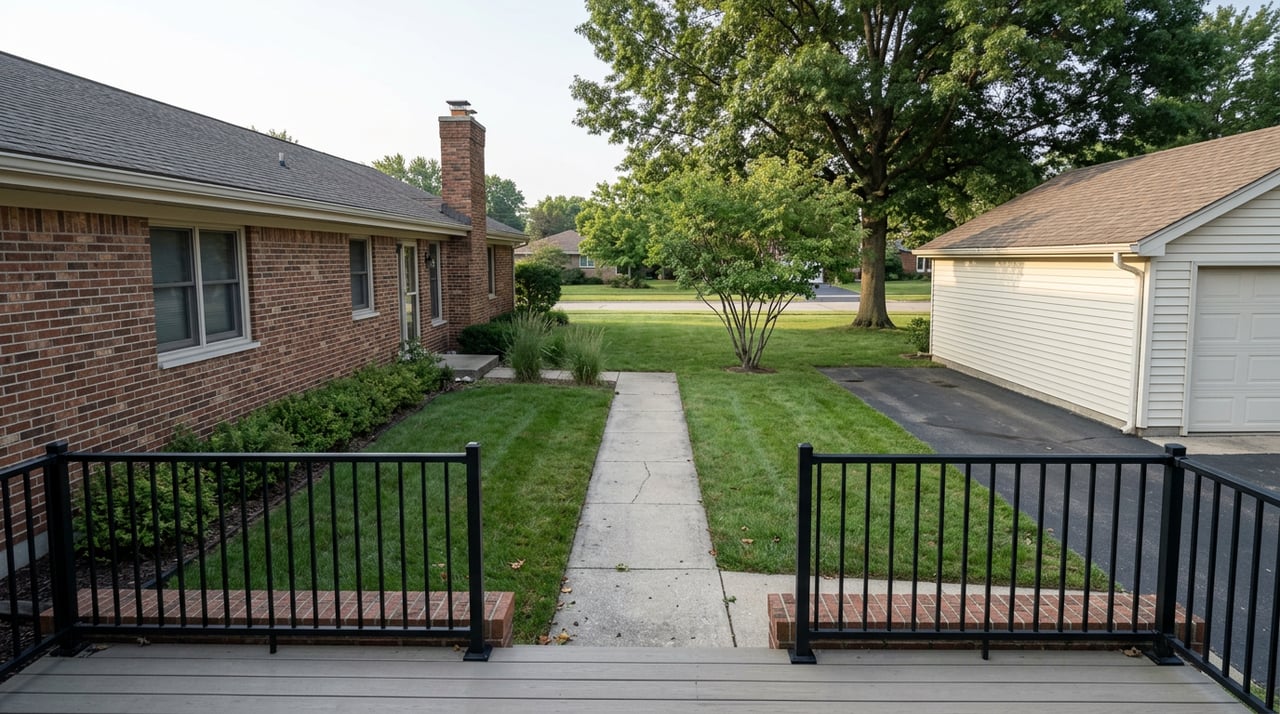
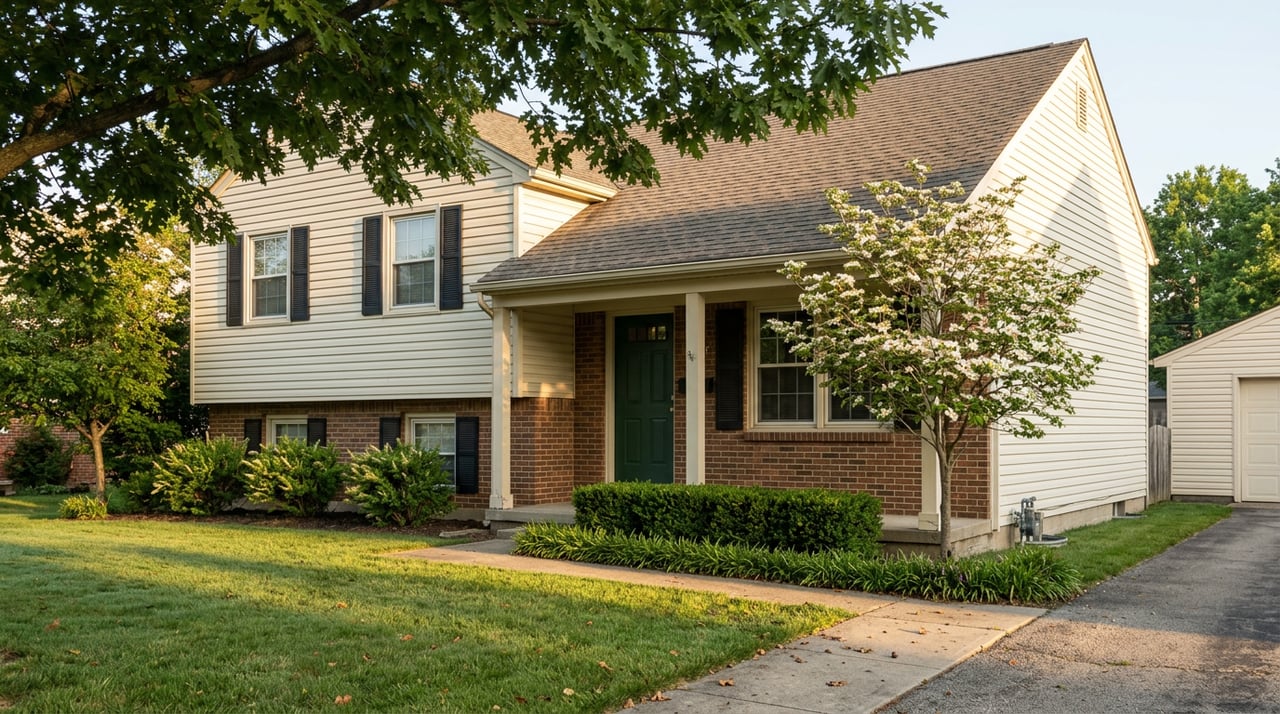
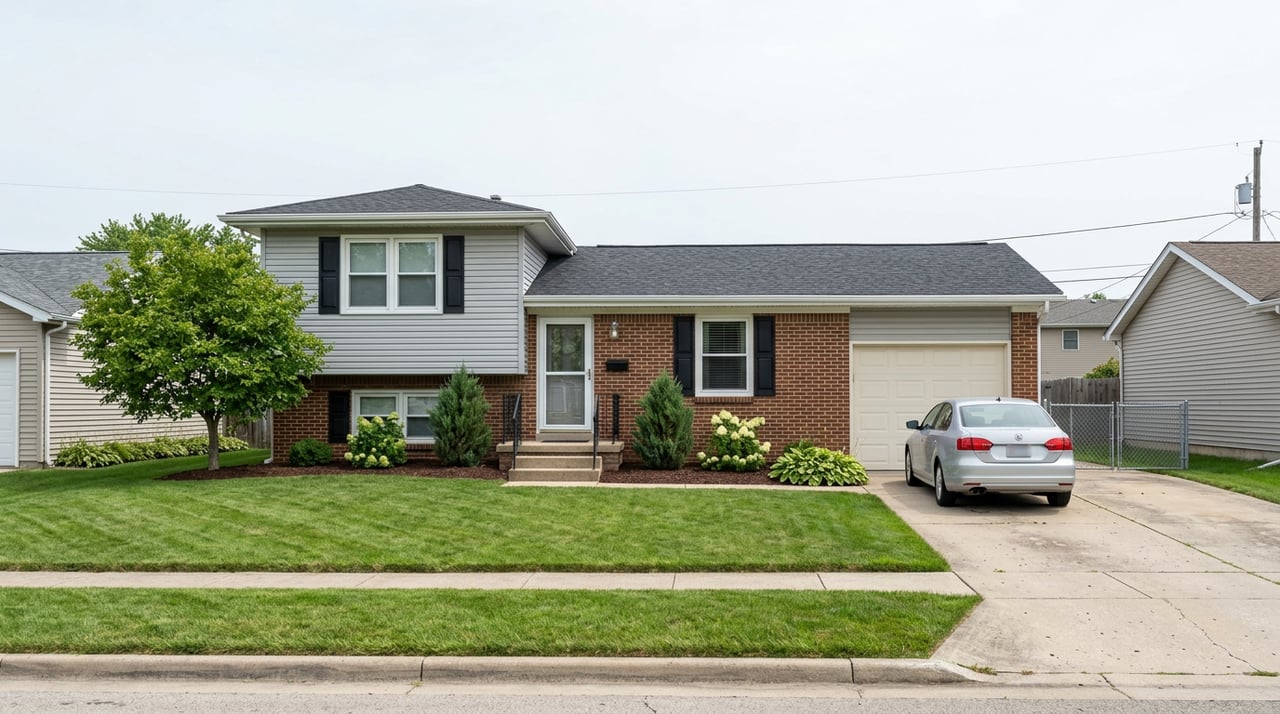
- In‑town single‑family homes near downtown and surrounding blocks. These sit on smaller lots and often work well for year‑round living.
- Waterfront and near‑water cottages or older lake homes, sometimes with private docks or shared marina access. Slip availability tightens in peak season.
- Peninsula options around Catawba Island, Danbury Township, and Lakeside‑Marblehead. These areas lean recreational, with more marinas, vacation rentals, and some gated or higher‑value waterfront communities.
- Condos and resort‑style communities with second‑home inventory. Listings tend to increase in spring and summer and thin out in winter.
What to check before you bid
- Flood and shoreline exposure. Many near‑water parcels fall within FEMA flood zones where flood insurance may be required. Confirm the parcel at the FEMA Flood Map Service Center.
- Utilities. Some properties connect to municipal water and sewer, while outlying parcels may use wells and septic. Verify status and any septic permits with county records.
- Dock, boat‑slip, and riparian rights. Rules vary by municipality and HOA. Ask about marina memberships, waitlists, and local ordinances that affect use and cost.
- Seasonality. Inventory and showing activity spike in spring and summer across the Shores & Islands region. Timing matters for choices and competition.
- Short‑term rental and HOA rules. If you plan to rent seasonally, confirm township zoning and HOA bylaws early.
Getting around and connections
Daily life is drivable. Many residents commute 20 to 30 minutes to Sandusky jobs in hospitality, healthcare, and services. Drives to Toledo are usually 45 to 75 minutes depending on route and traffic, and Cleveland destinations run about 1 to 1.5 hours. Most people treat Cleveland as an occasional trip rather than a daily commute.
Port Clinton serves as a ferry hub for Lake Erie’s islands. Seasonal services like the Jet Express connect you to Put‑in‑Bay and Kelleys Island, which is helpful for work and recreation. Check current routes and schedules via the Put‑in‑Bay ferries overview. For long‑distance travel, Sandusky is an overnight Amtrak stop, and commercial flights are available from Cleveland Hopkins and Toledo Express.
Jobs and the local economy
Tourism and marine services are major players, alongside healthcare, local government, education, and some light manufacturing. The broader Sandusky and Cedar Point corridor supports both seasonal and year‑round roles in hospitality, operations, and trades. To get a feel for the living‑and‑working mix, browse the regional snapshot from Shores & Islands.
Schools, childcare, and healthcare
Port Clinton City School District serves roughly 1,400 students across four public schools. Attendance boundaries, open‑enrollment policies, and report‑card metrics are published by the Ohio Department of Education, so review the latest details directly before you decide. Families interested in career and technical education can explore regional pathways such as Vanguard‑Sentinel and community‑college bridges.
Childcare in small markets can be tight for infants and toddlers. Waitlists are common, so start early by contacting providers and local resource networks. The state’s kindergarten survey offers context on participation trends and capacity.
Healthcare access is straightforward. Magruder Hospital operates locally with emergency and outpatient services, and you can learn more about programs and care at Magruder Hospital. For expanded specialty and inpatient services, Firelands Regional Medical Center in Sandusky is the nearest larger hospital.
Taxes, utilities, and internet
Property taxes in Ohio are based on assessed value, which equals 35 percent of market value. Ottawa County provides parcel‑level searches, tax‑rate tables, and plain‑English explanations of how levies affect your bill. Before you write an offer, look up the exact parcel and confirm recent tax history using the county’s guidance on the Ottawa County Auditor site.
Municipal water and sewer are common in town, while some outlying and island properties rely on private wells and septic systems. Ask for utility verification and any septic inspection records during due diligence. If you plan to work from home, verify internet at the address. Spectrum serves much of the county, and fiber or fixed‑wireless options from providers like Omni Fiber, Frontier, and Amplex are expanding. Availability and speeds vary street by street, so start with the county’s utility overview at OCIC Utilities and then confirm with providers at the specific address.
Remote buying made simple
If you are relocating from out of the area, you can complete the process confidently with the right plan.
- Use live video walk‑throughs and high‑resolution photo sets. Ask your agent for guided tours that include room measurements, condition notes, neighborhood context, and nearby amenities.
- Order thorough inspections. Hire a certified home inspector and, when applicable, separate septic, well, dock, and shoreline professionals. Request permits and maintenance records.
- Close securely and efficiently. Ohio allows Remote Online Notarization, which lets approved notaries complete signings through a recorded audio/video session. Confirm that your title company supports RON and review the steps using the National Notary Association’s Ohio guide.
- Protect your funds. Always verify wire instructions by calling the title company at a known phone number. Reconfirm details 24 to 48 hours before sending funds.
Neighborhood checklist for remote buyers
Use this quick list to reduce surprises before you commit.
- Flood risk. Look up the parcel’s FEMA flood zone and ask your insurer about coverage requirements. Start with the FEMA Flood Map Service Center.
- Taxes. Pull the exact tax bill and recent history via the Ottawa County Auditor. Note levies and special assessments.
- Utilities. Confirm sewer vs. septic, any well details, and inspection records through county and township offices.
- Internet. Check address‑level availability and speeds with cable, fiber, or fixed‑wireless providers. Use OCIC’s utilities page as a starting point.
- Winter access. Ask about snow removal responsibility and any seasonal road or beachfront access quirks.
- Dock and boating rights. Verify riparian rights, dock permits, marina memberships, and waitlists before you rely on boat access.
- Rental and HOA rules. If you plan to rent seasonally, confirm township ordinances and HOA bylaws in writing.
Ready to take the next step?
You deserve local guidance that removes friction and reduces risk. The Recker Team pairs deep Lake Erie expertise with a high‑capacity, technology‑enabled process, plus access to Howard Hanna programs like the 100% Money Back Guarantee and Buy‑Before‑You‑Sell. If you are relocating, we coordinate virtual tours, inspections, title, and closing so you can move with confidence. Have questions about a specific property or neighborhood? Connect with Kyle Recker to get a personalized plan. Experience the Difference. Request a Free Consultation.
FAQs
What does a typical home cost in Port Clinton in 2026?
- As of December 2025, Redfin shows a median sale price around $275,000, while other platforms put values in the mid‑$200,000s; small market size means month‑to‑month swings.
When is the best time to buy near Lake Erie?
- Spring and summer bring more listings and showings across the Shores & Islands region, so you will see more choices then, while winter often brings fewer options and less competition.
Do waterfront homes require flood insurance in Port Clinton?
- It depends on the parcel’s FEMA flood zone and your lender; check the specific address on the FEMA map and ask your insurer and lender about requirements and costs.
How reliable is internet for remote work around Port Clinton?
- Cable coverage is broad and fiber or fixed‑wireless options are expanding, but speeds vary by street; verify service at the exact address with providers after checking county resources.
Is commuting to Toledo or Cleveland realistic from Port Clinton?
- Many residents commute to Sandusky daily; drives to Toledo are feasible with a longer window, while Cleveland is usually reserved for occasional trips rather than daily travel.
Can I close on a Port Clinton home from out of state?
- Yes; Ohio supports Remote Online Notarization, and many title companies can coordinate secure remote closings when you verify ID, technology, and wiring procedures in advance.