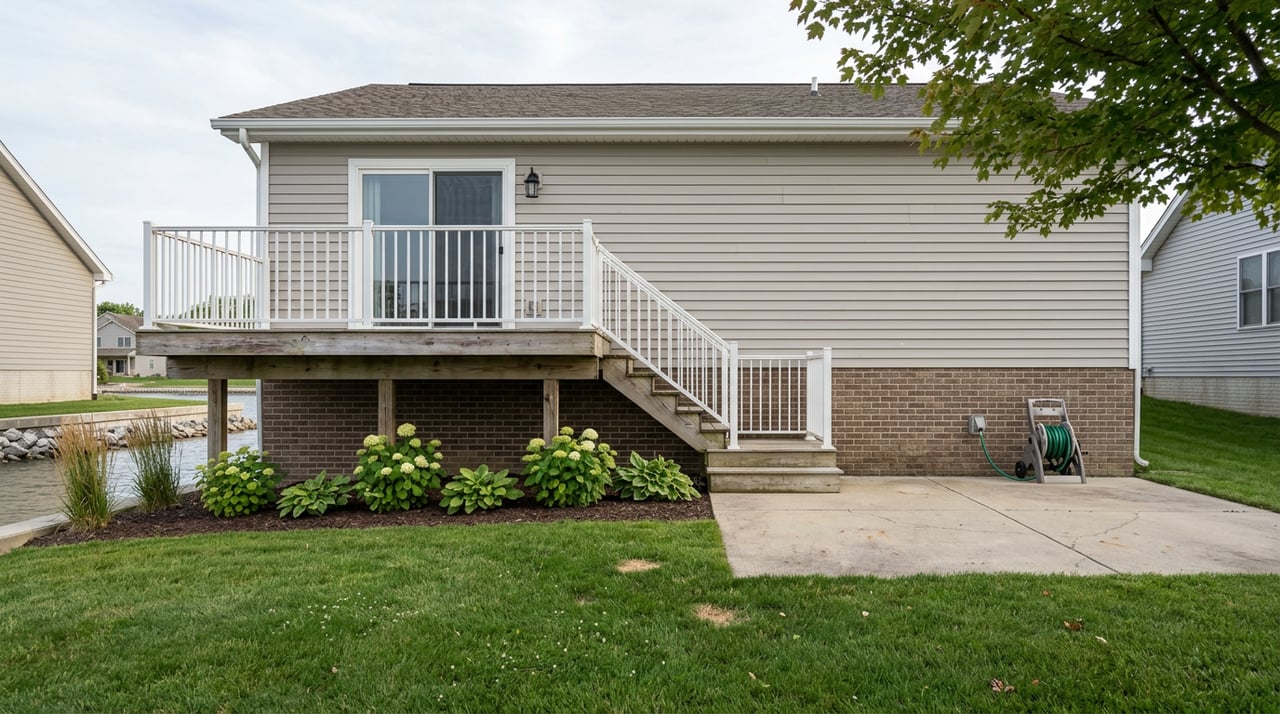
Ever picture yourself sipping coffee while the Lake Erie breeze rolls in? Buying waterfront in Sandusky is exciting, but it works differently than a typical suburban purchase. You need clarity on docks, flood maps and insurance, HOA rules, and seasonal rental potential before you write an offer. This guide gives you the right questions, documents, and local contacts to move forward with confidence. Let’s dive in.
Why Sandusky stands out
Sandusky sits on a prime stretch of Lake Erie with strong summer demand from boaters and visitors. Attendance at nearby attractions like Cedar Point drives seasonal lodging interest, which supports vacation rentals and second homes during peak months according to industry attendance reporting. The bay is lined with marinas and club facilities, so many properties rely on slip access rather than private long fixed piers. Availability and management of nearby slips, such as those at the Sandusky Yacht Club marina, can materially affect how you use the property and what it will resell for.
Local zoning also shapes what you can do on a waterfront lot. Rules for setbacks, floodplain standards, and permitted uses vary by district, so it pays to confirm the parcel’s zoning and any flood-overlay requirements in Sandusky’s municipal code before you plan improvements or assume dock rights. You can review code references and district details through Sandusky’s zoning resources and confirm specifics with city and county officials.
Water access: what listings actually mean
Common access types
- Private riparian dock. This is attached to the parcel and is often the most desirable for single-family lots. Verify that the dock and any riparian or littoral rights are included in the deed.
- Shared or HOA-managed slips. Many condo and cluster communities provide shared slips with rules about use, waiting lists, and fees set by the association.
- Marina slips. Nearby commercial or club marinas serve many waterfront owners. Some slips are leased seasonally and may have waiting lists, so ask about transfer rules and timing.
Key questions to ask every seller
- Is a dock, bulkhead, seawall, or riprap included in the deed, or is access via easement? Who owns and maintains it?
- Are there recorded access or dock easements, and are they permanent or revocable?
- Were shoreline structures permitted and inspected? Will permits transfer or require re-permitting by you?
- Is dredging needed to reach the main channel? Who holds the permit and pays for it?
- Are there navigation setbacks, no-build lines, or restrictions tied to the channel that affect the property?
Permits and agencies to know
Shoreline work and structures in navigable waters often require approvals at multiple levels. Federal reviews can align with the FEMA Great Lakes Coastal Flood Study, which informs updated coastal hazard mapping used for permitting and insurance. You can learn more about that regional modeling through the Great Lakes Coastal Flood Study resources. Locally, Erie County’s planning office is a key hub for floodplain and permitting guidance; start with the Erie County Regional Planning Commission for map history and county processes, then confirm parcel-specific details with the City of Sandusky’s building and engineering departments.
Flood maps and insurance made simple
Check the map status early
FEMA’s Flood Insurance Rate Maps define Special Flood Hazard Areas and drive lender requirements. Always search the property address on the FEMA Flood Map Service Center and review any preliminary or pending changes that could affect your costs. Map updates are active across the Great Lakes, so the current and future status both matter.
Understand lender rules
If a structure is in a mapped Special Flood Hazard Area, federal rules generally require flood insurance for mortgages backed by federally regulated lenders. You can review how these requirements are administered through FEMA’s guidance on flood maps and insurance basics. Confirm your lender’s specific policy early so you can budget accurately.
Use elevation data to your advantage
An Elevation Certificate from a licensed surveyor can help you obtain or reduce premiums. In some cases, a Letter of Map Amendment can remove a structure from a Special Flood Hazard Area if the building sits above Base Flood Elevation. You can learn how these tools work and when they apply through this overview of Elevation Certificates and LOMAs.
Why quotes vary
FEMA’s Risk Rating 2.0 prices policies based on property-specific factors such as replacement cost, foundation type, distance to water, and local flood frequency. Two waterfront homes next to each other can have very different premiums. To avoid surprises, request quotes early and ask whether an Elevation Certificate could change the price. See a policy overview of pricing changes in this Congressional summary of Risk Rating 2.0.
HOA and condo rules that affect value
Ohio’s Condominium Act and Planned Community Act set baseline governance for budgets, records, insurance, and board powers. Recent updates commonly referenced as Senate Bill 61 changed reserve-account and insurance expectations, which matter for developments with expensive common elements like seawalls and shared docks. For context, review a summary of Ohio’s SB 61 changes and request association records that show how your community is budgeting for shoreline maintenance.
When you review documents, look closely at:
- Dock and slip access. Who is eligible, how are spaces assigned, are there waiting lists, and what are the fees?
- Reserve funding. Are bulkheads, revetments, and docks covered in the reserve study, and when were they last repaired?
- Rental rules. Are short-term or seasonal rentals allowed? If yes, what are the minimum stays, registration steps, and guest policies?
Seasonal rental potential in Sandusky
Summer demand can be strong thanks to boating and regional attractions, which benefits properties that can legally operate as vacation rentals. Visitor volume patterns tied to Cedar Point and the boating season create peak windows for nightly rates and occupancy, as noted in industry attendance reports. That said, success depends on your specific property and compliance.
Before you underwrite rental income, confirm:
- Association and city rules for short-term rentals, including registration and taxes.
- Parking, guest access, and dock usage policies for renters.
- Utility setup and maintenance costs, including any seawall or dock upkeep.
- Insurance requirements for short-term rental operations.
Your step-by-step buying game plan
- Align financing and insurance
- Talk with your lender about potential flood insurance needs and whether private flood policies are acceptable.
- Request preliminary flood-insurance quotes and ask how an Elevation Certificate might lower premiums.
- Verify flood and zoning status
- Pull a current FIRMette for the address on the FEMA Map Service Center and note any pending map changes.
- Confirm zoning district, setbacks, and any floodplain overlays using city zoning references, then verify with local officials.
- Document docks and shoreline
- Ask for the deed language that addresses riparian or littoral rights and any recorded easements.
- Request copies of permits, inspections, and maintenance records for docks, seawalls, revetments, and dredging.
- Assess marina options
- If the property relies on a nearby slip, contact local managers, such as the Sandusky Yacht Club marina, to confirm availability, waitlists, transfer rules, and costs.
- Review HOA or condo records
- Request the Declaration, Bylaws, CC&Rs, budgets, reserve study, insurance certificates, meeting minutes, and written dock and rental policies.
- Ask when coastal common elements were last repaired and how future projects are funded.
- Check permits and local records
- Contact the Erie County Regional Planning Commission for floodplain materials and county processes, then confirm any city permits with Sandusky’s building department.
- Inspect with a waterfront lens
- Hire inspectors familiar with shoreline structures to evaluate docks, bulkheads, and revetments.
- Document shoreline conditions with photos and notes for insurance and future maintenance planning.
- Finalize offers with contingencies
- Include time to obtain insurance quotes, review association documents, and verify dock rights and permits.
- If needed, budget for surveys and Elevation Certificates and plan for a potential LOMA submission.
Local contacts and resources
- FEMA Flood Map Service Center. Get an official FIRMette and review map status for any parcel using the MSC address search.
- Great Lakes Coastal Flood Study. Learn how updated coastal modeling may affect local risk and maps on the Great Lakes Coastal Flood Study page.
- Erie County Regional Planning Commission. Start here for countywide floodplain information, mapping history, and permit guidance at the ERPC office. Follow up with City of Sandusky building, planning, and engineering for parcel-specific records.
- Marinas and slip management. Contact local marina managers or the Sandusky Yacht Club dock office for current slip policies.
Ready to see the right lake home?
You deserve a clear, low-stress path to the water. When you work with a Lake Erie specialist, you get upfront answers on docks, flood maps, insurance, and HOA rules before you commit. If you are comparing condos, single-family waterfront, or marina-adjacent options in Sandusky, we can help you vet every detail and move with confidence.
Have questions or want a custom shortlist of Sandusky waterfront homes? Reach out to Kyle Recker for a no-pressure consult and a plan tailored to how you want to use your Lake Erie home.
FAQs
How do I check if a Sandusky waterfront home is in a flood zone?
- Search the property address on the FEMA Flood Map Service Center to view the current map panel and any preliminary changes, then confirm details with Erie County and the City of Sandusky.
What dock setups are most common on Sandusky Bay properties?
- Many homes and condos rely on nearby marina slips or HOA-managed docks rather than private long fixed piers; always confirm deeded rights, easements, and any marina waitlists or fees.
Do lenders always require flood insurance for Sandusky waterfront homes?
- Lenders generally require flood insurance if the structure lies in a mapped Special Flood Hazard Area; verify your property’s status and your lender’s policy using FEMA resources on flood maps and insurance.
Can I use a Sandusky waterfront condo for short-term rentals?
- It depends on association rules and local regulations; request the CC&Rs, rental policies, and recent meeting minutes, and confirm any city registration or lodging taxes before you underwrite income.
Which HOA documents should I review for a waterfront condo?
- Ask for the Declaration, Bylaws, CC&Rs, budgets, reserve study, insurance summary, and minutes from the last 12 to 24 months, and pay close attention to dock rules, reserve funding for seawalls, and any rental restrictions.