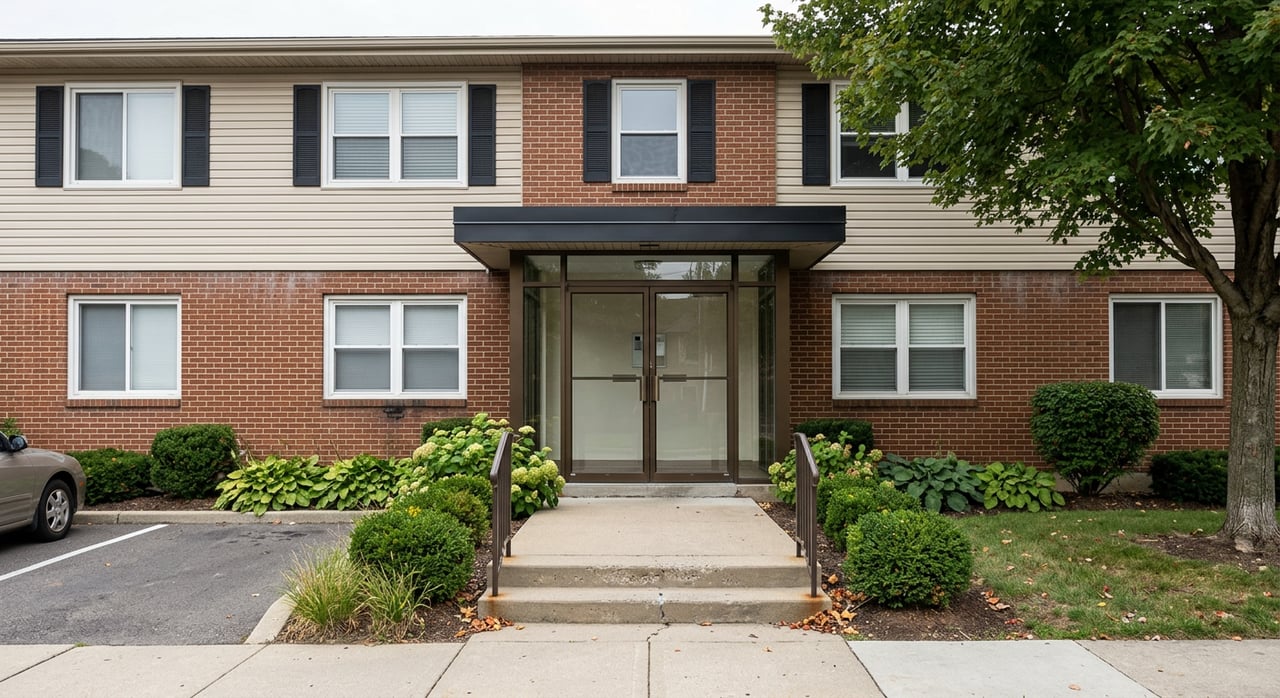
Torn between a condo and a house in Cleveland? You are not alone. Both can work well in Cuyahoga County, but the right choice depends on your monthly budget, how much maintenance you want to handle, and where you plan to spend your time. In this guide, you will compare real monthly costs, financing rules, HOA health, commute and walkability, and resale patterns so you can decide with confidence. Let’s dive in.
Cleveland market at a glance
Cleveland and the surrounding suburbs offer a wide price range. Within city limits, multiple data feeds show medians in the low to mid six figures, while many suburbs post higher medians. Countywide reporting also notes stronger median growth in recent years compared with the city alone. For background on county-level pricing shifts, review this county analysis archived by Cleveland.com. Local reporting on countywide price changes can help you frame expectations.
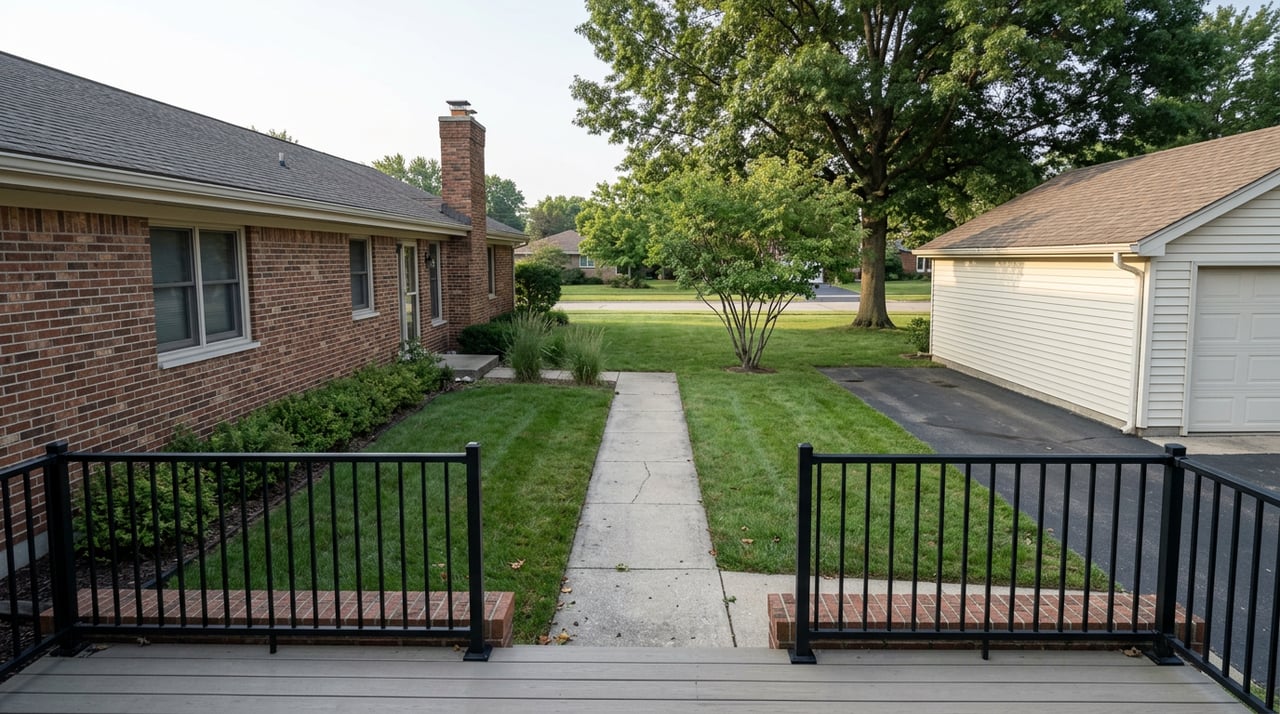
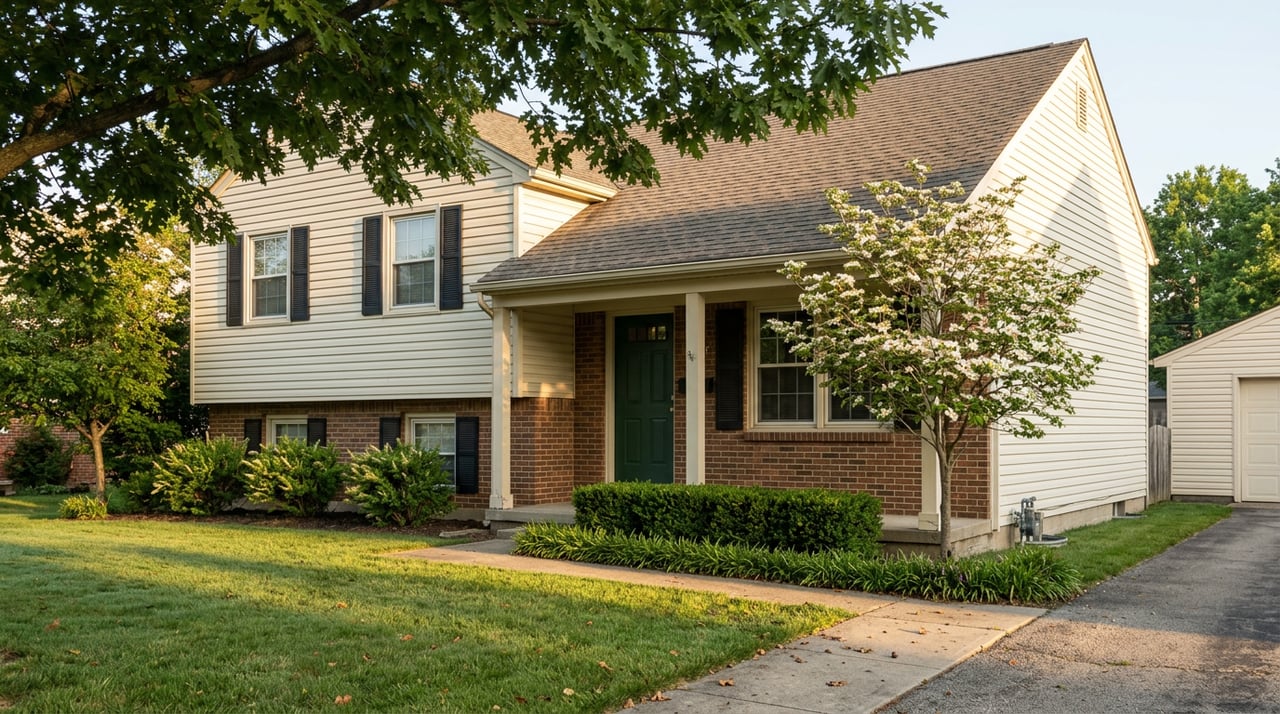
What that means for you: condos near Downtown, University Circle, and the lakefront often trade at a higher price per square foot, especially in amenity buildings. Single-family homes dominate many inner- and outer-ring suburbs like Shaker Heights, Beachwood, Parma, and Strongsville and offer more private space. Your best value will depend on the neighborhood micro-market and building quality.
Monthly cost: condo vs house
The smartest way to compare is to put both options on the same monthly page. Add up:
- Mortgage principal and interest
- Property taxes
- Insurance
- HOA dues if applicable
- A routine maintenance reserve
- Utilities and municipal fees
- Any known special assessments
Property taxes. Cuyahoga County reassesses on a six-year cycle and recent reappraisals increased many assessed values. Do not estimate by city average. Price out taxes at the parcel level with the county’s tool. Use the Cuyahoga County tax estimator.
HOA dues. Cleveland-area condo dues vary widely. Smaller buildings and garden communities often run a few hundred dollars per month, while lakefront and high-amenity towers can be in the high hundreds or even four figures. Many HOAs include some utilities, exterior maintenance, snow removal, and part of the building insurance, which shifts costs from your separate bills into one line. Always compare what the HOA includes against what you would pay out of pocket for a house.
Maintenance. A simple rule of thumb is to budget about 1 percent of your home’s value per year for routine upkeep. Some owners also use about 1 dollar per square foot per year. These are starting points and should be adjusted for age and condition. See a quick explainer on common maintenance heuristics from industry guidance on maintenance budgeting.
Insurance. Condo owners usually carry an HO-6 policy for the interior and personal property while the association’s master policy covers the structure and common elements. Single-family owners carry full dwelling coverage like an HO-3. Confirm what the master policy covers and how deductibles work. For an overview, read about HO-6 condo coverage vs master policy basics.
A quick example. A condo with a modest mortgage but a 300 dollar monthly HOA can match or exceed the total monthly cost of a similarly priced house when you include taxes and a realistic maintenance reserve. Only a side-by-side monthly model will reveal the true gap.
HOA and building health: what to verify
For any condo you are serious about, request the full association packet before you commit. Focus on:
- Latest annual budget and reserve study. Are reserves adequate for roofs, elevators, and facade work.
- Recent board meeting minutes. Look for special assessments, litigation, or deferred repairs.
- Master insurance declarations. Note coverage, exclusions, and deductibles.
- Owner-occupancy and rental percentages. Investor-heavy projects can affect lending.
- Covenants, restrictions, and any short-term rental rules.
FHA and many conventional programs review reserves, delinquencies, occupancy, and litigation when deciding if a project is eligible. If a project is non-warrantable, you may face limited or more expensive loan options. For document checklists and approval pathways, see HUD’s outline of FHA condo project and single-unit approvals. If you want the legal framework for how Ohio condominiums operate, read Ohio Revised Code Chapter 5311.
Financing differences to know
Conventional, FHA, and VA loans treat condos differently from single-family homes.
- Warrantability. Lenders check the building against agency rules. Occupancy mix, reserve strength, litigation, and HOA delinquencies can all affect eligibility. Ask your lender to review the building early.
- FHA pathway. FHA allows project approval or a single-unit approval in some cases. Timelines and required documents vary. Review HUD’s single-unit approval requirements so you know what to expect.
- Timing. If a project is borderline, request written guidance from your lender on down payment, rate impact, and closing timeline. For single-family homes, the focus is more on property condition and market comps, not project-level health.
Lifestyle and location trade-offs
Commute and transit. Cleveland’s mean travel time to work is in the low to mid 20-minute range, which gives you some flexibility on where to live. Check the Census QuickFacts for Cleveland for context. The RTA HealthLine links Downtown and University Circle and serves as a key transit spine. Learn more about its role in the city’s network in this HealthLine overview.
Walkability and neighborhood types. Condos cluster in walkable, amenity-rich areas like Downtown, Ohio City, Tremont, and the near-lakefront. Single-family options are more common in many suburbs that offer larger lots and garages. Decide whether you prefer a lock-and-leave building with shared amenities or a private yard and more control over your property.
Schools. District boundaries can change block by block. If school access is important to you, verify the exact address against the district’s official boundary maps and confirm policies directly with the district office.
Resale and liquidity: what to expect
Resale for condos varies by building quality, HOA finances, and buyer mix. Some buildings see strong demand from downsizers and investors. Others can sit longer if fees are high or if upcoming projects create uncertainty. Single-family homes in many Cuyahoga County micro-markets have shown different appreciation patterns than condos in recent years. County-level summaries offer helpful context on trend direction over multi-year periods. For a high-level view of county price changes over time, see the archived countywide analysis.
Bottom line: check building-level days on market and months of supply for condos, then compare to nearby single-family comps. Liquidity is local.
A simple decision checklist
Use this quick framework on any shortlist of properties:
- List your non-negotiables. Square footage, yard needs, commute time, parking, target neighborhoods, and your max all-in monthly payment.
- Model a 12-month budget for each listing. Mortgage principal and interest, parcel-level property taxes, insurance, HOA dues, a maintenance reserve, utilities, and any known assessments.
- For condos, pull the HOA packet. Budget, reserve study, meeting minutes, master insurance, occupancy and delinquency data, covenants and rental rules. See the HUD document list for a sense of what lenders examine.
- Ask your lender about eligibility. Is the building warrantable for your loan type. Will a single-unit approval be required. Get guidance in writing if anything is unusual.
- Review neighborhood comps. Compare recent days on market and price trends for both condos and houses nearby. Look for building-specific patterns.
- Weigh lifestyle trade-offs. Maintenance tolerance, desire for outdoor space, storage and garage needs, and the appeal of amenities versus privacy.
Next steps
If you want clarity fast, have a short list of properties ready and build the side-by-side monthly model. Check parcel taxes through the county tool, confirm insurance types, and request the HOA packet early if a condo is in the mix. Then pressure-test financing with your lender while you track recent comps.
When you are ready, get a local guide who can pull building-level documents, spot red flags, and run true monthly comparisons. The Recker Team’s full-service approach helps you shorten the decision cycle while reducing risk, and our Howard Hanna programs can add confidence if you need to buy before you sell or want extra assurance. To talk through your options and get a clear plan, connect with Kyle Recker.
FAQs
How do HOA dues affect my true monthly cost in Cleveland condos?
- HOA dues often include some utilities, exterior maintenance, snow removal, and part of the building insurance. Add dues to your mortgage, parcel-level taxes, condo insurance, a maintenance reserve, and utilities not covered to find your true all-in cost.
How can I estimate Cuyahoga County property taxes before I buy?
- Use the county’s parcel-level estimator instead of citywide averages so you capture levy differences and recent reappraisals. Start with the Cuyahoga County tax estimator.
What insurance do I need for a condo vs a house?
- Condo buyers typically carry an HO-6 policy for the interior and personal property while the HOA’s master policy covers the building. Single-family owners carry full dwelling coverage like an HO-3. See an overview of HO-6 coverage basics.
Can I use FHA to buy a condo in Cleveland?
- Yes, if the project is FHA approved or if the unit qualifies for a single-unit approval. Ask your lender early and review HUD’s single-unit approval requirements to understand timelines and documents.
What condo documents should I request before I make an offer?
- Ask for the budget and reserve study, recent board minutes, master insurance declarations, owner-occupancy and delinquency data, and the covenants and restrictions. These items reveal assessment risk and lending eligibility.
Do condos and houses appreciate differently in Cuyahoga County?
- It varies by neighborhood and building quality. Some county-level reporting shows different trend lines for the county versus the city. Review local comps and county summaries like this archived analysis of price changes to frame expectations.
How does the HealthLine impact where I should buy?
- If transit access is a priority, living near the HealthLine corridor linking Downtown and University Circle can reduce car dependence and commute time. Learn more about its role in the network in this HealthLine overview.